OCD Treatment in North Carolina

Longer Appointments. Better Care.
OCD-Trained Therapists and Psychiatry Under One Roof
In-Network with Insurance
Immediate Appointments Available

If you have been living with intrusive thoughts that feel impossible to manage — and the compulsive rituals and behaviors that follow — you may be dealing with OCD that has not yet been properly treated.


We offer OCD therapy, psychiatric evaluation, medication management, and intensive outpatient care, covered by most major insurance, with offices in Raleigh, Chapel Hill, and Cary and Telehealth available statewide.

OCD Treatment in North Carolina

OCD Treatment in North Carolina

We provide OCD treatment for adults across North Carolina, with in-person offices in three Triangle locations and Telehealth available statewide. Whether you are looking for an OCD therapist near you or prefer the flexibility of virtual appointments, our integrated model of therapy and psychiatry is available to you.


OCD Treatment in Raleigh


Our Raleigh office serves adults throughout the Triangle with the full range of OCD treatment — including ERP therapy, psychiatry, medication management, and higher levels of care through our Intensive Outpatient Program for OCD. Our Raleigh team includes therapists trained specifically in exposure and response prevention and psychiatric providers experienced with OCD medication management.


OCD Treatment in Chapel Hill


Our Chapel Hill offers psychiatric evaluations, medication management, and therapy for adults dealing with OCD in Chapel Hill. When needed, higher levels of care are available through our Raleigh location within the same system.


OCD Treatment in Cary


Our Cary office provides outpatient OCD treatment for adults in Cary — with the same integrated model of therapy and psychiatry available at all three locations.

What Is OCD?

What Is OCD?

OCD — obsessive-compulsive disorder — is not about being neat or organized. It is a mental health condition where the brain gets stuck in a loop of unwanted thoughts and the behaviors people use to cope with them.


Here is how the cycle works and what may trigger OCD: an unwanted thought arrives. The brain treats it like an emergency. To get relief, a person performs a compulsion — a ritual, a check, a mental review, seeking reassurance from someone else. The anxiety drops — but only briefly. Then the thought comes back, often stronger. The brain has just learned the thought was worth responding to. The cycle repeats.


The thoughts OCD produces are called intrusive thoughts. They tend to focus on the things that matter most — family, safety, relationships, faith, morality. They feel deeply disturbing precisely because they go against everything the person actually believes and values. They are symptoms of a disorder, not reflections of character.


Signs and Symptoms of OCD


OCD looks different from person to person, but common signs include:


  • Unwanted thoughts, images, or urges that keep coming back and feel impossible to ignore
  • Intense anxiety or dread that arrives with those thoughts
  • Repeating actions — checking locks, washing hands, counting — to feel relief
  • Mentally reviewing situations or conversations over and over
  • Asking others for reassurance about the same fear repeatedly
  • Avoiding people, places, or situations that trigger unwanted thoughts
  • Difficulty moving on with your day until something feels “just right”
  • Spending an hour or more each day caught in the thought-compulsion cycle
  • Feeling ashamed or secretive about what your thoughts are about
  • Knowing the thoughts do not make sense but being unable to dismiss them


If any of this sounds familiar, there is help available— and you do not have to keep managing it by yourself.

How Do I Know I Need Help for OCD?

How Do I Know I Need Help for OCD?

Most people with OCD wait far longer than they should before reaching out — often because the shame around intrusive thought content makes it hard to say out loud, or because they have been told their whole lives that they just need to manage their anxiety better. Neither of those things is a reason to keep waiting.


There is no severity threshold you need to cross before you deserve support. If OCD is taking up space in your life — consuming your time, narrowing your world, or keeping you from the people and things that matter — that is enough.


Signs It Is Time to Get Help for OCD


  • Intrusive thoughts are occurring daily and producing significant distress
  • Compulsions are taking up an hour or more of your day
  • You have been avoiding situations, relationships, or activities because of OCD
  • You are seeking reassurance repeatedly from others or from your own mental review
  • OCD is affecting your work, your relationships, or your ability to function
  • You have tried to manage it on your own and the cycle keeps returning
  • The content of your intrusive thoughts has been too shameful to share with anyone
  • You are using substances, alcohol, food, or other addictive behaviors to cope with anxiety caused by OCD
Types of OCD

Types of OCD

Like other mental health conditions, OCD is not one presentation. The intrusive thoughts that drive the disorder vary significantly from person to person, and understanding the type of OCD someone is dealing with is an important part of building the right treatment plan.


Harm OCD


Harm OCD involves persistent, unwanted thoughts about causing harm to others — often the people a person loves most. These thoughts are ego dystonic: deeply at odds with who the person is. The distress they create is intense precisely because they are so contrary to the person’s actual values and intentions.


Contamination OCD


Contamination OCD involves fear of germs, illness, or physical contamination — but also what clinicians call moral contamination, where a person feels tainted after contact with something associated with harm or wrongdoing. Compulsions typically involve cleaning, washing, or avoidance of feared surfaces or people.


Relationship OCD (ROCD)


Relationship OCD involves persistent, intrusive doubts about romantic relationships — whether feelings are real, whether the relationship is right, whether attraction is genuine. The compulsions are often mental: reviewing, comparing, seeking reassurance from partners or friends.


Scrupulosity


Scrupulosity is OCD organized around religious, spiritual, or moral themes — blasphemous thoughts, doubts about sin, obsessive concern about ethical purity. It often operates within a person’s faith framework, turning what should be a source of comfort into the arena where OCD does its most damaging work.


Pure O


Pure O refers to presentations where compulsions are primarily mental — internal reviewing, neutralizing, analyzing — rather than visible behavioral rituals. Because there is no observable compulsion, Pure O frequently goes unrecognized and untreated for years

How Is OCD Treated?

How Is OCD Treated?

OCD treatment is not one-size-fits-all. The right plan depends on how severe your symptoms are, what type of OCD you have, what you have tried before, and what works for your life.


At AIM, we build treatment plans around the person — not the diagnosis


OCD Therapy — Exposure and Response Prevention (ERP)


ERP is the most effective treatment for OCD and the one with the strongest research behind it. It works by slowly and safely exposing a person to the thoughts and situations that trigger their OCD — and then helping them resist the urge to perform a compulsion. Over time, the brain learns that the trigger is not actually dangerous, that the anxiety will pass, and that life can continue without needing certainty.


OCD Therapy — Acceptance and Commitment Therapy (ACT)


ACT works alongside ERP by helping people change how they relate to their intrusive thoughts — instead of fighting them. Rather than trying to prove a thought is wrong or make it go away, ACT teaches you to notice the thought, label it as OCD, and keep moving forward with your life. The two approaches work well together.


→Read More About: Acceptance and Commitment Therapy


Medication for OCD


For many people — especially those with moderate to severe OCD — medication is a helpful part of treatment. SSRIs are the most common medication used for OCD. They do not cure OCD and they do not replace therapy. What they can do is take the edge off anxiety enough to make the work of ERP feel more manageable. Our psychiatric providers monitor and adjust medication over time and stay in close contact with the therapy team.


OCD Intensive Outpatient Program


For some people, weekly therapy is not enough — either because symptoms are severe or because progress has stalled. AIM’s Intensive Outpatient Program for OCD offers more sessions per week, more structure, and more support than standard outpatient care. It is designed for people who need to do more intensive ERP work than a once-a-week appointment allows.


→Learn More About: Intensive Outpatient Program for OCD


Why Choose AIM for OCD Treatment?

Why Choose AIM for OCD Treatment?

A lot of practices say they treat OCD. But knowing what OCD is and knowing how to treat it well are two different things. At AIM, our clinical team understands how OCD actually works — and what kinds of therapy help versus what can quietly make things worse.


ERP-Trained Therapists Who Understand OCD


ERP works best when the therapist doing it is genuinely trained and comfortable with the approach. A therapist who pulls back on exposures too early, or who reassures a client about the content of their intrusive thoughts, can slow down recovery — even with the best intentions. Our therapists are trained in ERP and know how to use it the right way.


Psychiatry and Therapy for OCD


OCD tends to respond best with both therapy and medication are used for OCD and having both in the same place makes a difference. At AIM, your therapist and psychiatrist work together with you as one team.  This can be really helpful for figuring out what is working and what isn’t so that you get the best care and outcomes.


A Different Kind of Practice


Our providers keep smaller caseloads on purpose. That means they have the time to actually get to know you — to notice when something has changed, to adjust your care before problems grow, and to build the kind of relationship that OCD treatment depends on. Good OCD care is not just a set of techniques. It is a clinical relationship, and we take that seriously.


Ready to Start?


OCD is treatable — and you do not have to have it all figured out before reaching out. Whether you are trying to understand what you are dealing with, looking for an OCD therapist near you, or ready to get started with a full evaluation, we are here.


Many times, we are able to offer same-week appointments and are currently accepting new patients at our Raleigh, Chapel Hill, and Cary locations and throughout North Carolina via Telehealth.

Our Team

At AIM, our team is built around one goal — helping you get better.


A Team Committed to Your Wellbeing


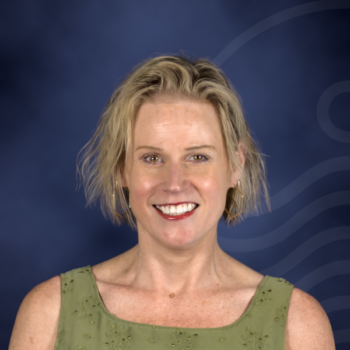
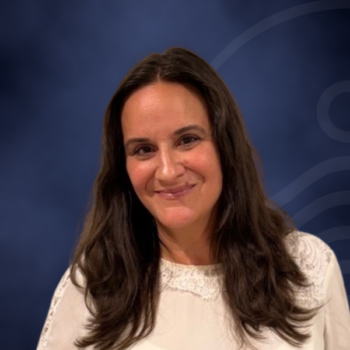
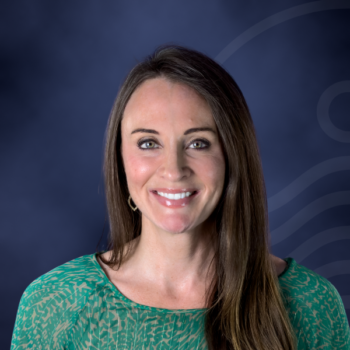
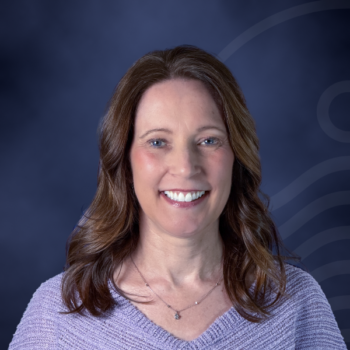
We believe good care starts with good people. Our clinicians, prescribers, and support staff work together so that every part of your treatment is connected. You won’t have to repeat your story to providers who don’t talk to each other. Everyone on your team knows who you are and what you’re working toward.

Frequently Asked Questions About OCD Treatment

What is the best treatment for OCD?

ERP — exposure and response prevention — is the most effective treatment for OCD and has the strongest research behind it. For moderate to severe OCD, combining ERP with medication tends to work better than either one alone.

Can OCD be cured?

OCD is not curable the way an infection is, but it is very treatable. Most people who go through proper ERP treatment see their symptoms drop significantly — to the point where OCD stops getting in the way of daily life. The goal is not to never have an intrusive thought again. It is to change your relationship with those thoughts so they no longer control your behavior.

Does OCD go away on its own?

Usually not. Without treatment, OCD tends to get worse over time as avoidance grows and compulsions become more ingrained. Symptoms may come and go, but the underlying disorder rarely resolves on its own.

What kind of therapist treats OCD?

You need a therapist who is specifically trained in ERP — not just familiar with it. A therapist using standard talk therapy or trying to challenge the logic of intrusive thoughts can actually make OCD worse without meaning to. Look for someone who understands how OCD works and knows not to provide reassurance about the content of intrusive thoughts.

What is ERP therapy for OCD?

ERP is a structured treatment where a person gradually faces the thoughts and situations their OCD has been telling them to avoid — and then resists the urge to perform a compulsion. Over time, the brain learns that the trigger is not actually dangerous and that anxiety will pass without needing to do anything about it.

Does medication help with OCD?

For many people, yes. SSRIs are the most common medication used for OCD and can help reduce symptom severity — especially when combined with ERP therapy. Medication does not replace therapy, but it can lower anxiety enough to make the work of ERP more manageable.

Is there an OCD psychiatrist near me in Raleigh, Chapel Hill, or Cary?

Yes. AIM has psychiatric providers at all three locations with experience in OCD medication management. Telehealth is also available throughout North Carolina if you prefer to be seen remotely.

How do I help a loved one with OCD?

Show up, listen, take what they are going through seriously, and encourage them to work with a therapist and psychiatrist familiar with OCD. If they are already in treatment, ask their provider how you can support them without feeding the cycle.

Does AIM accept insurance for OCD treatment?

AIM is in-network with most major insurance plans including Blue Cross Blue Shield, Cigna/Evernorth, Aetna, UNC Health Alliance, Optum/United, the NC State Health Plan, Ambetter, and TRICARE. Coverage varies by plan. Our team can help verify your benefits before your first appointment.

Does AIM have appointments available for OCD treatment?

Yes. We are currently accepting new patients at our Raleigh, Chapel Hill, and Cary locations and throughout North Carolina via Telehealth. In most cases we can offer same-week appointments. If you are ready to get started or just want to learn more about your options, reach out and our team will get back to you quickly.