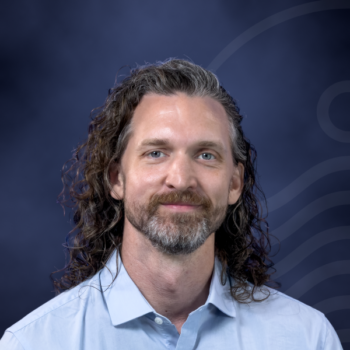
Dr. Tim O’Connor, MD
Psychiatrist
Longer Appointments. Better Care
Therapy & Psychiatry
In-Network with Insurance
Immediate Appointments
In-Person and Telehealth

With locations in Raleigh, Chapel Hill, and Cary, we offer therapy as part of an integrated mental health system and are in-network with most insurance plans. Many of our patients combine therapy with psychiatry and medication management for more comprehensive support.
When additional structure is needed, we also offer higher levels of care, including a Partial Hospitalization Program (PHP) for substance use in Raleigh, an Intensive Outpatient Program (IOP) for substance use in Raleigh, and a Mental Health IOP in Raleigh

Psychotherapy, often called counseling or therapy, is commonly the first place people turn when mental health concerns arise.
While there are many types of therapy, they all share a common goal: structured conversations with a trained mental health professional that help you better understand and work through emotional, behavioral, and thought patterns that are causing distress.
There are many types of therapy and techniques that are designed to treat specific conditions.
We have a team of therapists that each have their own areas of expertise so that all of our patients can find what they need.

All of our therapists are licensed clinicians with advanced training across a range of concerns. They also receive ongoing supervision and continuing education to ensure they provide the highest quality of care.
We believe high-quality care starts with therapy and interventions that are grounded in the best and most current research. This includes offering psychiatry and medication management to support your work in therapy.
While we offer many evidence-based therapy approaches, our therapists may also draw on practices like meditation, spirituality, and principles from Stoicism that support mental health.

Therapy is often a starting point for people seeking support for their mental health. While it’s common, deciding whether therapy is right for you is a personal choice.
You may be a good fit for therapy if you’re noticing ongoing stress, emotional distress, or patterns in your thoughts or behaviors that feel hard to change on your own. Therapy can be helpful if you want a space to talk things through, better understand yourself, build coping skills, or work through challenges like anxiety, low mood, relationship issues, or life transitions.
Therapy also tends to work best when you’re open to reflection and willing to engage in the process over time. Even if you’re unsure what you need or don’t have clear answers yet, therapy can help bring clarity and support as you figure out next steps.

Psychotherapy can help by giving you a consistent space to better understand what’s going on beneath the surface and how it’s affecting your thoughts, emotions, and behavior.
Working with a therapist allows you to slow things down, notice patterns, and develop healthier ways of anticipating and responding to stress, relationships, and life challenges.
Over time, therapy can help reduce symptoms like anxiety, depression, or emotional distress while also building practical skills for coping, communication, and decision-making.
For many people, psychotherapy offers something that’s hard to find elsewhere: dedicated time for uninterrupted, thoughtful human connection, which can make a meaningful difference in mental health. In a time of constant screens, social isolation, and digital noise, having a real person to talk to can matter more than we realize.

When we launched AIM, we did so because mental healthcare too often felt fragmented. People were sent to different offices for therapy, medication management, and other services, with little coordination between providers.
We wanted to create a place where care lives under one roof. Beyond convenience, we believe it matters that your therapist and medication provider are actually communicating, collaborating, and working from a shared understanding of your goals.
We also believe care should be able to adapt as needs change. That’s why our system allows you to seamlessly access additional services when appropriate, including TMS for treatment-resistant depression, PHP and IOP for substance use, and Mental Health IOP for more intensive support—all within the same connected system.
Psychiatrist
Psychiatric Physician Assistant
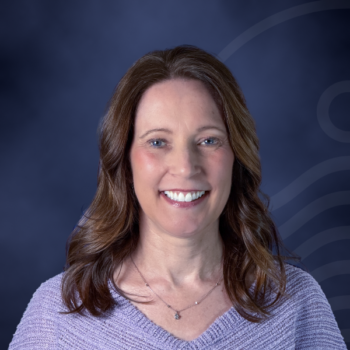
Psychiatric Physician Assistant
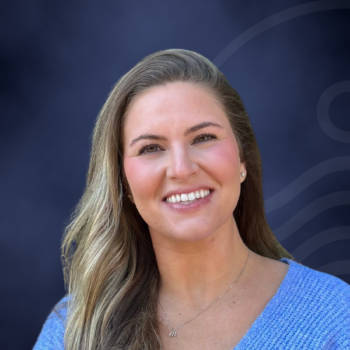
Clinical Therapist
At the core of AIM is our dedicated team, focused on fostering an environment where optimal wellbeing is achievable.
A Team Committed to Your Wellbeing
Driven by a vision of accessible, compassionate healthcare, our diverse professionals bring unique expertise and insights to enhance our mission. We believe in the power of connection and collaborative care. From clinical experts to supportive staff, every team member contributes to creating a nurturing environment that promotes growth, healing, and comprehensive wellbeing.