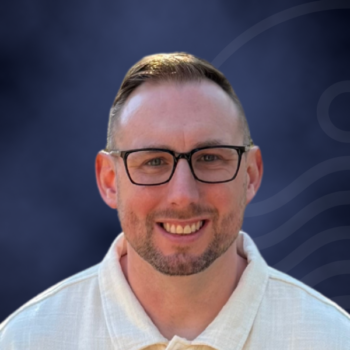
Meagan Hargreaves, PMHNP-BC
Psychiatric-Mental Health Nurse Practitioner
What Starts as Relief Can Slowly Become Dependence
Schedule Appointment


Substance use rarely begins with the intention of developing an addiction.
For some people, alcohol or drugs are simply part of social life. For others, they become a way of coping with anxiety, depression, trauma, stress, loneliness, or physical pain.
While substances may provide temporary relief, over time they can begin creating problems of their own. That transition is not always obvious.
Many people continue working, raising families, and meeting their responsibilities while quietly wondering whether their relationship with alcohol or drugs has changed.
Others question whether they have a “real addiction” or believe they should be able to stop on their own.
The reality is that substance use disorders exist on a spectrum, and seeking help does not require reaching a crisis point.
Whether you are concerned about yourself or someone you care about, effective treatment can help.
We provide substance abuse treatment throughout North Carolina with multiple levels of care designed to meet people where they are and support long-term recovery.

Substance Use Disorder (SUD) is a medical diagnosis describing a pattern of alcohol or drug use that causes significant impairment or distress. It exists on a spectrum from mild to severe and is diagnosed based on patterns of behavior over time rather than any single event.
The phrase “substance abuse” is widely recognized, but mental health professionals now use the term Substance Use Disorder because it more accurately reflects what clinicians evaluate during an assessment.
According to the Diagnostic and Statistical Manual of Mental Disorders (DSM-5-TR), Substance Use Disorder is diagnosed by looking at patterns that develop over time, including:
The diagnosis exists on a continuum.
Someone with a mild Substance Use Disorder may recognize problems early and seek treatment before experiencing major life consequences. Others may develop more severe symptoms requiring a greater level of clinical support.
Viewing addiction as a spectrum is important because it encourages earlier intervention. Waiting until life falls apart is rarely the best time to begin treatment.
Research from the Substance Abuse and Mental Health Services Administration (SAMHSA) consistently shows that millions of Americans meet criteria for a substance use disorder each year, yet many never receive treatment.
Delays often occur because people underestimate the severity of their symptoms, hope things will improve on their own or worry about the stigma associated with asking for help.
Recovery does not begin when someone reaches rock bottom.
It often begins when someone decides their current relationship with alcohol or drugs is costing them more than they want to continue paying.

Substance use disorders affect far more than alcohol or drug use alone. They often influence thinking, emotions, physical health, relationships, work performance, and daily decision-making.
While every person’s experience is different, addiction typically develops through patterns that become more noticeable over time.
People often ask whether there is a specific sign that indicates someone has an addiction.
There isn’t.
Instead, clinicians look for patterns that suggest alcohol or drug use is beginning to interfere with a person’s life.

No single symptom confirms someone has a substance use disorder.
The diagnosis is based on how these patterns develop over time and the extent to which they begin affecting a person’s health, relationships, responsibilities, and quality of life.

Substance use disorders can develop around many different substances, each presenting unique challenges during treatment. While the underlying principles of recovery remain similar, withdrawal risks, medications, and treatment recommendations often differ depending on the substance involved.
We provide treatment for a wide range of substance use disorders.
Alcohol remains one of the most misused substances because it is legal, widely available, and deeply woven into many social situations.
Learn more about our Alcohol Use Disorder Treatment.
Drug addiction can involve illicit substances, prescription medications, or multiple substances used together.
Learn more about Drug Addiction Treatment.
Prescription pain medications, heroin, and fentanyl all fall within the opioid category. Opioid use disorders often require specialized treatment because withdrawal and overdose risks can be significant.
Learn more about Opioid Addiction Treatment.

Cocaine use can affect mood, sleep, cardiovascular health, and decision-making. Effective treatment often combines therapy, psychiatry, and long-term recovery support.
Learn more about Cocaine Addiction Treatment.
Methamphetamine use frequently affects both physical and mental health. Recovery often involves addressing changes in mood, cognition, and daily functioning alongside substance use itself.
Learn more about Methamphetamine Addiction Treatment.
Medications such as Xanax, Ativan, Klonopin, and Valium can lead to physical dependence when used over time.
While these medications can be effective for some people, they are not the only treatment option for anxiety.
Therapy, lifestyle changes, and other medications may also be effective for treating anxiety.
Because withdrawal from benzodiazepines can be medically dangerous, treatment should always be guided by qualified healthcare professionals.
Learn more about Benzodiazepine Addiction Treatment.
Prescription medications can improve quality of life when used appropriately, but misuse can increase the risk of developing a substance use disorder.
Learn more about Prescription Drug Addiction Treatment.

Substance use disorders and mental health conditions frequently occur together. This is often referred to as a dual diagnosis or co-occurring disorder. Treating only the addiction or only the mental health condition may leave important factors contributing to recovery unaddressed.
People often ask whether mental health problems cause addiction or whether addiction causes mental health problems.
The answer is often both.
Someone struggling with anxiety may begin drinking to quiet their thoughts. Another person may misuse prescription medications to cope with chronic stress or insomnia.
Prolonged substance use can also increase symptoms of depression, anxiety, paranoia, or mood instability, making it difficult to determine where one condition ends and the other begins.
Rather than trying to separate these conditions, effective treatment recognizes how they influence one another.
Some of the more common co-occurring conditions include:
When a substance use disorder and a mental health condition occur together, treatment should address both.
An integrated approach brings psychiatry, therapy, and substance use treatment together as part of a coordinated treatment plan, allowing each condition to be evaluated and treated at the same time.
Learn more about our Dual Diagnosis Treatment Program.

The best treatment program depends on more than the substance someone is using.
Determining the appropriate level of care requires looking at the whole picture, including withdrawal risk, mental health symptoms, previous treatment history, a person’s living environment, and the support available to them.
A common misunderstanding is that everyone struggling with addiction needs residential treatment.
For some people, that is the right choice.
For others, outpatient treatment provides enough structure while allowing them to continue working, attending school, or caring for their families.
The goal is to match the level of care to the individual’s needs rather than placing everyone into the same program.
Therapy and medications are often the first step people take in addressing their relationship to substances. This is an appropriate place to start if the substance use hasn’t led to many severe symptoms.
An Intensive Outpatient Program (IOP) provides several hours of treatment each week while participants continue living at home. IOPs are often recommended when weekly therapy is not providing enough support or when someone is transitioning from a higher level of care.

A Partial Hospitalization Program (PHP) offers a more structured treatment schedule than an IOP while participants return home each day. PHPs are often appropriate for people who need intensive support but do not require inpatient hospitalization due to withdrawal risks or a mental health crisis.
Residential treatment provides a highly structured environment where individuals receive around-the-clock support while focusing entirely on recovery. This is often what people think of when they hear “rehab”. It is typically the level of care most associated with the severest of symptoms.
Withdrawal from certain substances, including alcohol and benzodiazepines, can be medically dangerous.
Medical detox provides supervision during withdrawal and often serves as the first step before beginning ongoing addiction treatment.
The appropriate level of care should always be determined through a comprehensive clinical assessment rather than by the substance alone.

Stopping alcohol or drug use is often where recovery begins, but it is rarely where recovery ends.
Many people entering treatment are also trying to rebuild relationships, improve their physical health, return to work or school, repair trust with family members, manage mental health conditions, and create a life that no longer revolves around substance use.
Those goals take time.
They also require more than simply removing a substance.
We view recovery as an ongoing process of building a healthier and more sustainable life.
That often involves addressing the broader circumstances that influence wellbeing, including mental health, relationships, physical health, daily routines, and the environment in which someone is trying to recover.
This philosophy guides how our psychiatry, therapy, substance use treatment, and recovery services work together to support long-term change.

There is no single treatment that works for everyone. Effective substance abuse treatment is individualized and often combines therapy, psychiatry, family involvement, medication when appropriate, and ongoing recovery support.
The goal is not simply to stop using substances, but to build a life where recovery is meaningful and can be sustained.
Recovery is rarely about a single appointment, a single therapist, or a single intervention.
People move through different stages of recovery, and their needs often change over time. Someone may begin with detox, transition into a Partial Hospitalization Program (PHP), step down to an Intensive Outpatient Program (IOP), continue with weekly therapy and psychiatry, and eventually focus on maintaining long-term recovery.
Our role is to help people access the right level of care at the right time.
Treatment may include:
Individual therapy provides a dedicated space to understand the thoughts, emotions, behaviors, and life circumstances contributing to substance use while developing practical skills for long-term recovery.
Psychiatric care can help address co-occurring mental health conditions and determine whether medications may play a role in supporting recovery.
For certain substance use disorders, medications can help reduce cravings, ease withdrawal symptoms, and support long-term recovery when combined with counseling and behavioral therapies.

CBT helps individuals recognize patterns of thinking and behavior that contribute to substance use while developing healthier ways of responding to stress, cravings, and difficult emotions.
DBT teaches practical skills for emotional regulation, distress tolerance, interpersonal effectiveness, and mindfulness, all of which can support long-term recovery.
Recovery often begins with uncertainty. Motivational Interviewing helps people explore their own reasons for change rather than relying solely on external pressure.
Recovery becomes more sustainable when people begin building a life that competes with substance use. Community Reinforcement Approach focuses on strengthening relationships, meaningful activities, employment, recreation, and other sources of fulfillment that support long-term wellbeing.
Substance use disorders affect entire families. Family therapy can help improve communication, rebuild trust, establish healthy boundaries, and support recovery for everyone involved.
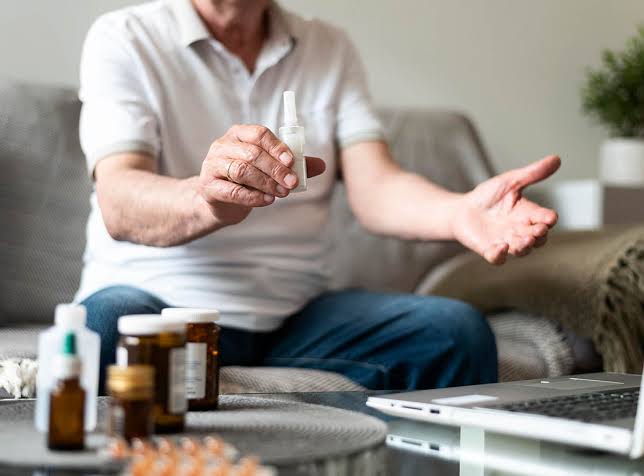
Many treatment programs focus primarily on helping people stop using alcohol or drugs.
While that is an important goal, recovery often involves much more than achieving abstinence.
Mental health conditions, relationships, physical health, employment, education, housing, purpose, and community all influence whether recovery can be maintained over time.
We’re built around the idea that people benefit from an ecosystem of care rather than disconnected services.
Depending on an individual’s needs, that ecosystem may include:
Our goal is to make accessing those services as straightforward as possible so people spend less time navigating healthcare and more time focusing on recovery.

Many insurance plans provide coverage for substance abuse treatment, although benefits vary depending on your insurance provider and the level of care being recommended.
Understanding insurance coverage can feel overwhelming, particularly when you or a loved one is already dealing with the stress of addiction.
Our admissions team can help verify your insurance benefits, explain available treatment options, and answer questions about costs before services begin.
If insurance is not available, we can also discuss self-pay options and help determine the most appropriate next steps.
Learn More About How You Can Use Your Insurance

Deciding to seek help can feel overwhelming.
You may be wondering whether treatment is necessary, what level of care makes sense, how insurance works, or whether recovery is even possible.
Those are common questions, and you do not have to answer them on your own.
Whether you are seeking help for yourself or someone you care about, our team can help you understand your options, determine the most appropriate level of care, and develop a treatment plan that supports long-term recovery.
Contact Advaita Integrated Medicine to speak with our admissions team and learn more about our substance abuse treatment programs throughout North Carolina.

If you or someone you know is experiencing a medical emergency related to substance use, call 911 immediately or go to the nearest emergency department.
If you are experiencing thoughts of suicide or emotional distress, contact the 988 Suicide & Crisis Lifeline by calling or texting 988.
If you are looking for treatment resources or need immediate guidance related to substance use, you can also contact the SAMHSA National Helpline at 1-800-662-HELP (4357). The helpline is available 24 hours a day, 365 days a year, and provides confidential treatment referrals and information.
Psychiatric-Mental Health Nurse Practitioner
Psychiatric Physician Assistant
Family Nurse Pracitioner

Therapist
At the core of AIM is our dedicated team, focused on fostering an environment where optimal wellbeing is achievable.
Driven by a vision of accessible, compassionate healthcare, our diverse professionals bring unique expertise and insights to enhance our mission. We believe in the power of connection and collaborative care. From clinical experts to supportive staff, every team member contributes to creating a nurturing environment that promotes growth, healing, and comprehensive wellbeing.