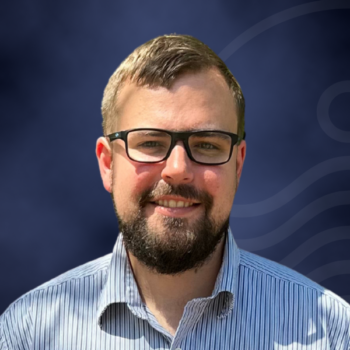
Dr. Tim O’Connor, MD
Psychiatrist
Recovery from addiction — whether that’s opioids, alcohol, or both — is hard enough without having to fight your own brain chemistry at the same time. Medication-Assisted Treatment exists to level that playing field — reducing cravings, preventing withdrawal, and giving you the stability to do the rest of the work.


Recovery from addiction — whether that’s opioids, alcohol, or both — is hard enough without having to fight your own brain chemistry at the same time. Medication-Assisted Treatment exists to level that playing field — reducing cravings, preventing withdrawal, and giving you the stability to do the rest of the work.
At AIM, MAT isn’t a standalone prescription. It’s integrated into a full system of care that includes therapy, psychiatry, and a clinical team that supports you along your journey.

Medication-Assisted Treatment — commonly called MAT — is the use of FDA-approved medications to treat opioid use disorder or alcohol use disorder. These medications work by reducing cravings and withdrawal symptoms, which are two of the most common reasons people return to use even when they’re motivated to stop.
MAT is not substituting one addiction for another. It’s a clinically proven, evidence-based approach that addresses the neurological side of addiction — the part that willpower alone can’t reach. When combined with therapy and support, MAT significantly improves long-term recovery outcomes.

Opioids and alcohol change the way the brain functions over time — altering reward pathways, increasing dependence, and making it extremely difficult to stop without experiencing significant physical and psychological withdrawal. MAT medications work by targeting those same pathways, stabilizing brain chemistry and reducing the physical pull toward use.
This stabilization creates the conditions for real recovery work to begin. With cravings managed and withdrawal addressed, patients are better able to engage in therapy, rebuild their lives, and develop the skills and support systems that make long-term sobriety sustainable.
AIM offers MAT for both opioid and alcohol addiction. The right medication depends on what you’re struggling with, where you are in your recovery, and what your treatment history looks like. Here’s a breakdown of what’s available and how each one works.

For people struggling with opioid dependence — including prescription painkillers and heroin — buprenorphine-based medications like Suboxone are the most commonly used and most effective MAT option. These medications reduce cravings and withdrawal symptoms without producing the same high as opioids, allowing patients to function normally in daily life while they focus on recovery.
Vivitrol (naltrexone) is another option for opioid use disorder. Unlike buprenorphine, Vivitrol is a once-monthly injection that works by blocking the effects of opioids entirely — meaning that if opioids are used while on Vivitrol, they produce no effect. It’s a strong option for patients who have already completed detox and want an additional layer of protection against relapse.

Vivitrol is also approved for alcohol addiction. It works by reducing cravings and blocking the feeling that makes drinking rewarding — so over time, the urge to drink gets weaker. It’s given as a once-monthly injection, so there’s no daily pill to remember or decision to make.
MAT is one tool in recovery — and for the right person, it can make a meaningful difference. It’s typically a good fit for people who have found that cravings or withdrawal symptoms have made it hard to stay on track, and who want medical support alongside their therapy and other recovery work.

Buprenorphine (Suboxone) Buprenorphine is the active ingredient in Suboxone — one of the most commonly used medications for opioid addiction. It works by partially activating the same receptors as opioids, which reduces cravings and prevents withdrawal without producing a high. It’s taken daily, typically as a film that dissolves under the tongue.
Suboxone also contains naloxone, which is added as a safeguard. When taken as prescribed, naloxone has no effect. If someone attempts to misuse the medication, the naloxone activates and causes withdrawal — which makes misuse significantly less likely.
At AIM, buprenorphine is prescribed and managed by an addiction medicine specialist and coordinated with your therapy and psychiatric care throughout treatment. It’s one part of a broader plan — not a standalone solution.
Vivitrol (Naltrexone) Vivitrol is a once-monthly injection approved for both opioid and alcohol addiction. Unlike buprenorphine, it’s not a controlled substance and carries no risk of dependence. It works by blocking the receptors that opioids and alcohol act on — so if someone uses while on Vivitrol, they won’t feel the rewarding effects that typically reinforce use.
One important thing to know: Vivitrol requires that you be fully detoxed before starting — typically at least 7 to 10 days without opioids. Once you’re past that point, a single monthly injection provides ongoing support without the need for a daily medication to manage.

At AIM, MAT is never a prescription in isolation. Every patient receiving MAT is connected to a broader care team — including a prescribing physician, a therapist, and a psychiatrist when appropriate — all working from the same clinical picture.
Your prescriber tracks your progress, adjusts your medication when needed, and coordinates directly with your therapist. Your therapist works on the behavioral and psychological side of recovery — the patterns, the relationships, the underlying mental health conditions that often sit underneath substance use.
Together, that combination produces better outcomes than either approach alone.

MAT isn’t just for people who are just starting out. For many people, ongoing medication support is an important part of staying stable long after the early stages of recovery are behind them.
Whether you’re stepping down from a hospital, a residential program, a detox facility, or any other level of care —AIM can keep your MAT going so your recovery doesn’t get interrupted every time something in your care changes.
If you’re earlier in your recovery and need more structure, AIM is part of a larger system of care that includes a Partial Hospitalization Program (PHP) and Intensive Outpatient Program (IOP) for dual-diagnosis treatment — so you can get intensive support for both substance use and mental health while your medication is managed by the same team. That program is Green Hill Recovery, and for patients who complete it, MAT through AIM is a natural next step.

Green Hill Recovery is our PHP and IOP program for substance use and dual-diagnosis treatment. AIM is the psychiatric backbone behind it — providing medication management and psychiatric care for patients who are actively enrolled in Green Hill Recovery programs, not just after they leave.
That means if you’re currently in a Green Hill Recovery program, your MAT and psychiatric care are already being managed by AIM. When you complete the program, that care doesn’t stop. AIM continues your medication management, connects you with outpatient therapy, and provides ongoing psychiatric support for as long as you need.
Your providers stay the same. Your history travels with you. And your recovery continues without interruption.

Step 1 — Reach out. Call us or submit a short form on our website. We’ll take it from there.
Step 2 — Schedule your appointment. After submitting a form or giving us a call, you’ll be able to find an appointment time that works for you and book directly through our patient portal.
Step 3 — We verify your insurance. AIM is in-network with most major insurance plans. Our team handles verification on our end and will let you know what to expect before your first appointment.
Step 4 — Come in.Your first MAT appointment is a comprehensive evaluation — not a brief screening. We’ll review your history, current symptoms, any medications you’ve tried, and build a treatment plan from there.
AIM accepts most major insurance plans for MAT services, including TRICARE.Our team verifies your benefits before your first appointment so you know what to expect. If you have questions about coverage or want to confirm your plan before reaching out, call us directly and we’ll walk you through it.
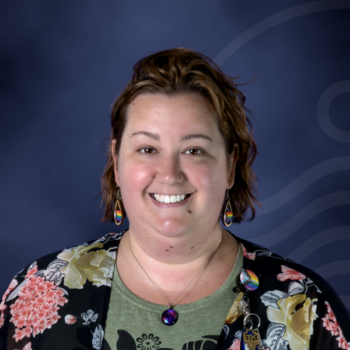
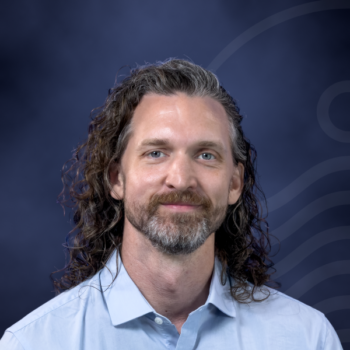
Psychiatrist
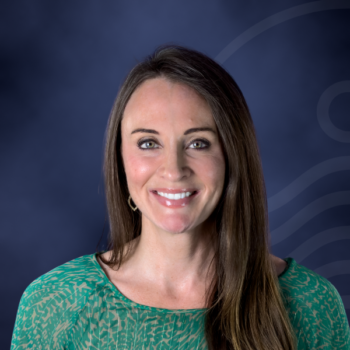
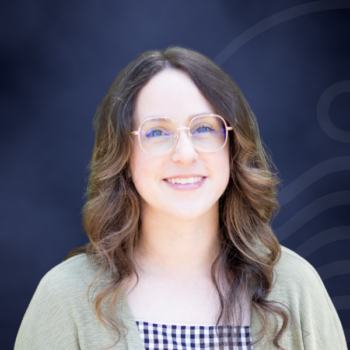
Psychiatric Physician Assistant
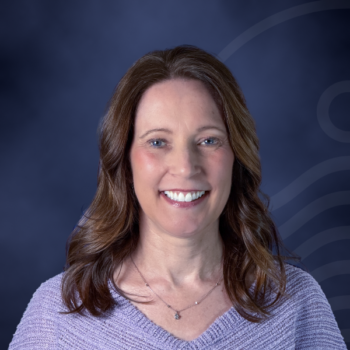
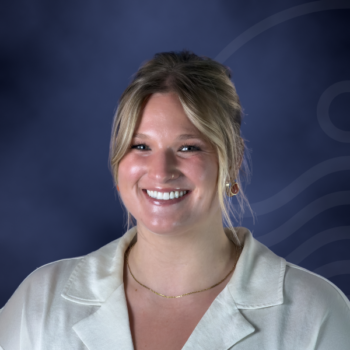
Psychiatric Physician Assistant
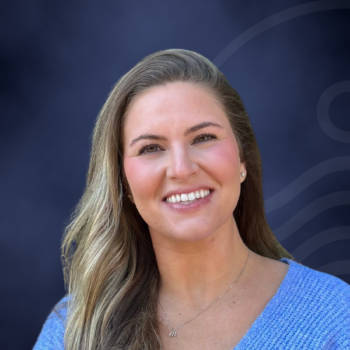
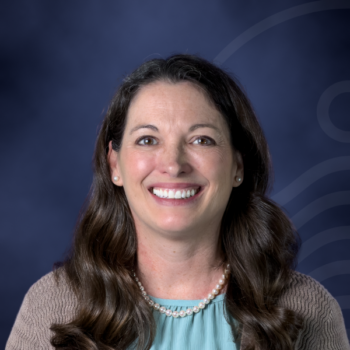
Clinical Therapist
At the core of AIM is our dedicated team, focused on fostering an environment where optimal wellbeing is achievable.
Driven by a vision of accessible, compassionate healthcare, our diverse professionals bring unique expertise and insights to enhance our mission. We believe in the power of connection and collaborative care. From clinical experts to supportive staff, every team member contributes to creating a nurturing environment that promotes growth, healing, and comprehensive wellbeing.