Dr. Tim O’Connor, MD
Psychiatrist
In-Network Addiction Treatment
Partial Hospitalization Program (PHP) for Substance Use
Intensive Outpatient Program (IOP) for Substance Use
No Waitlist
Morning and Evening Offerings to Fit a Busy Life

We are an integrated mental health system with locations in Raleigh, Chapel Hill, and Cary, in-network with most insurance plans. Through one connected system, you can access different types of support—including psychiatry, therapy, and TMS for Depression.
When mental health or substance use concerns require more structure and support, we also offer higher levels of care. This includes a Partial Hospitalization Program (PHP) for substance use in Raleigh, an Intensive Outpatient Program (IOP) for substance use in Raleigh, and a Mental Health IOP in Raleigh for more intensive mental health needs.

When most people hear the word “rehab,” they picture checking into a facility and being away from home for 28 days. That image is outdated — and for a lot of people, it is also unnecessary.
Addiction and mental health challenges almost always show up together. When both are present at the same time, it is called a dual diagnosis.
The problem is that most programs treat one without fully addressing the other. That gap is exactly where people fall through the cracks.
We built AIM differently. Our outpatient programs are designed from the ground up to treat both — at the same time, under one roof, from one coordinated team. That means you can get real, integrated care without leaving your family, your education, your job, or your routine.
Some of our clients start their care journey with us. Others start in an inpatient setting first for that extra layer of stability, then step down into our care to keep building on that progress.
Either way, we meet you where you are.

Both of our outpatient rehab programs in Raleigh include full-time therapists and psychiatrists who are trained in both mental health and addiction.
You are not getting a substance use counselor in one building and a psychiatrist in another. You get one team, working together, with a shared understanding of your full picture.

Partial Hospitalization Programming (PHP) is our most structured level of outpatient care. It is built for people who need daily support to stabilize — but do not need to be in a hospital or sleep away from home.
It tends to be the right fit when cravings are strong, emotions are hard to regulate, mental health symptoms are interacting with substance use, or daily responsibilities are starting to slip. A lot of people enter PHP early in recovery, when structure and consistency are the difference between traction and relapse.
During PHP, you meet with an individual therapist, participate in group sessions, check in regularly with a psychiatrist, and — when it makes sense — involve family in the process. Medication support is available to help manage withdrawal, cravings, and any co-occurring mental health concerns.
Chronic substance use leaves a mark. It creates ingrained patterns, deeply rutted routines, and in many cases real cognitive changes that take time, medication, and consistent support to heal from. Recovery is not a one-time decision — it is a process. PHP gives that process the space and structure it actually needs. Most clients begin here and step down into IOP as they stabilize and build momentum.
Schedule: Monday – Friday, 9:30 AM – 2:30 PM
Length: Typically two to six weeks, depending on your needs

Intensive Outpatient Programming (IOP) offers the same integrated, team-based approach as PHP — at a pace that works for people who are ready for less intensity while still needing real structure and accountability.
It is usually the right fit when things are more stable but you are not ready to go it alone yet. A lot of people move from PHP into IOP as they progress. Others start here from the beginning if their needs are less acute.
We offer both morning and evening IOP so that work and family obligations do not have to be a barrier to getting care. Three days a week, you will participate in group therapy, skills-based learning, family support when appropriate, and regular check-ins with your care team. Psychiatry and medication management are built into the program.
Daytime IOP: Monday, Wednesday, Friday — 10:00 AM – 1:00 PM Evening IOP: Monday, Wednesday, Thursday — 5:30 PM – 8:30 PM

Substance use exists on a spectrum. It becomes a problem when it starts costing you things that matter — your relationships, your health, your sense of who you are.
Most people who need help talk themselves out of it for a long time before they ever reach out. They minimize what is happening, convince themselves it is not bad enough yet, or assume they should be able to handle it on their own.
If you are reading this list and recognizing yourself in it, that matters. It means something is telling you that the way things are is not the way they have to stay.

Substance use is rarely the whole story. Most of the time, it is tangled up with something underneath — depression, anxiety, trauma, bipolar disorder that was never properly addressed. Treating the substance use without treating what is driving it is one of the most common reasons people relapse.
That is what dual diagnosis treatment is designed to address. And it is the foundation our entire program is built on.

Most outpatient programs are not truly integrated. You might see a counselor in one place and get referred to a psychiatrist somewhere else — if you get referred at all. Your providers are not talking to each other. You are the one holding all the pieces together.
We think that is a significant miss. Mental health and substance use are almost always connected, and treating them in separate silos produces worse outcomes.
With us, your therapist and psychiatrist work together, in the same system, with a shared understanding of what you’re dealing with.You do not have to coordinate your own care. That is our job.
These are practical, research-backed tools that help you understand what is driving your behavior, build skills that actually work in real life, and make changes that last. The goal is not just sobriety. It is building a life that does not require substances to manage.

Addiction is treatable. That is not just something we say — it is backed by decades of research.
And that same research is clear on something else: treating substance use and mental health together produces better results than treating them separately. Addressing only one while ignoring the other is one of the main reasons people struggle to stay well.
Research also shows that longer, more structured programs lead to better outcomes — especially when it comes to preventing relapse. That is why we offer a full continuum of care, from the daily structure of PHP all the way through standard outpatient support like ongoing therapy and medication support. There is always a clear next step, no matter where you are in the process.
Recovery takes real engagement. The tools work when you use them — and our job is to make showing up as easy as possible.

PHP typically runs two to six weeks. IOP can last several weeks to a few months, depending on where you are in your recovery. We do not rush the process or cut it short before you are ready.
Our system is designed to walk alongside you from the hardest early days through the lower-intensity ongoing support you will need to stay stable long-term.

A lot of people who need help do not seek it because of things they have heard that are simply not true. Here are the most common ones.
Not with outpatient care. Our programs are specifically designed so you can keep living at home, stay engaged in your relationships, and in many cases keep working — while getting structured, meaningful support.
Under the Americans with Disabilities Act, you cannot be fire fdor seeking addiction treatment. Many of our patients use PTO or short-term disability during PHP. Our admissions team can help you think through the logistics.
Recovery often takes more than one attempt — and that is not failure, it is just the reality of how this works. Returning to treatment means you need more support, or a different kind of support. We will look closely at what has and has not worked before and build a plan from there.
This is one of the most persistent and harmful myths in recovery. MAT is physician-supervised, does not produce a high, and helps people stabilize, function, and build toward a substance-free life. It is a medical tool, not a shortcut.
That was a feature of older inpatient models. In outpatient care, family connection is actively encouraged. Family involvement is built into our programs — because the research is clear that strong relationships are one of the most important factors in a sustainable recovery.

In most cases, yes. We are in-network with most major insurance providers, including:
Most plans cover PHP and IOP for substance use, though prior authorization is often required — which typically means documenting that other treatments were tried first. We help with that process. If you are not sure what your plan covers, reach out and we will look into it with you before you commit to anything.

Starting is the hardest part. We want to make it as simple as possible.
Your first step is a brief assessment — available in person, by phone, or via video. At Advaita Integrated Medicine, a licensed clinician will talk with you about what is going on, answer your questions, and help you understand which level of care makes the most sense for where you are right now. Most people are able to begin the next day.
No pressure. No long waitlists.
Psychiatrist
Psychiatric Physician Assistant
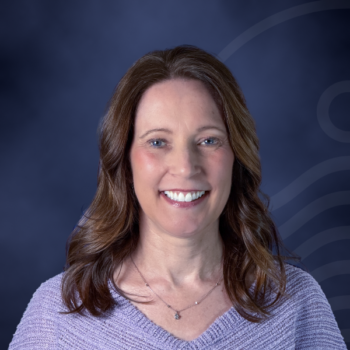
Psychiatric Physician Assistant
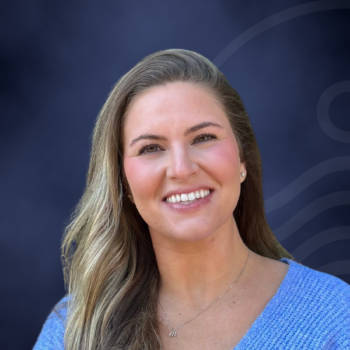
Clinical Therapist
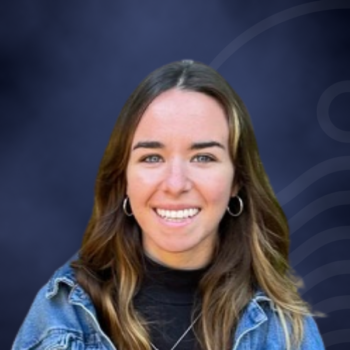
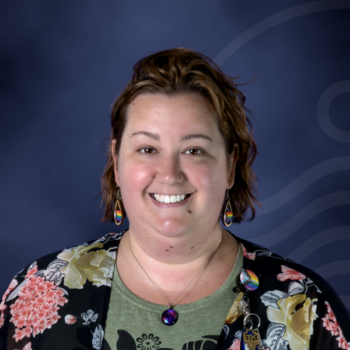
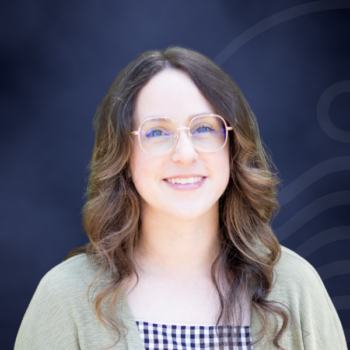
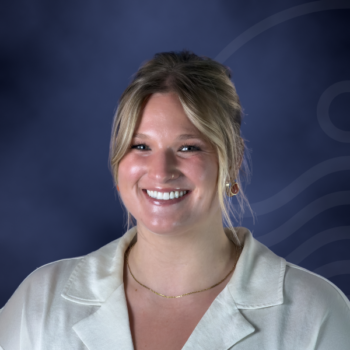
At the core of AIM is our dedicated team, focused on fostering an environment where optimal wellbeing is achievable.
Driven by a vision of accessible, compassionate healthcare, our diverse professionals bring unique expertise and insights to enhance our mission. We believe in the power of connection and collaborative care. From clinical experts to supportive staff, every team member contributes to creating a nurturing environment that promotes growth, healing, and comprehensive wellbeing.