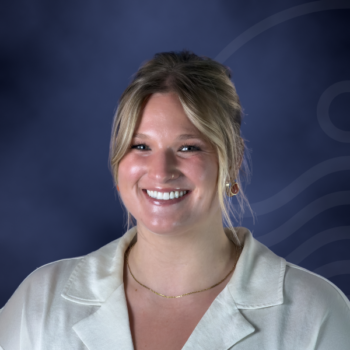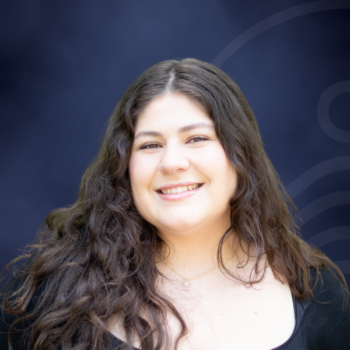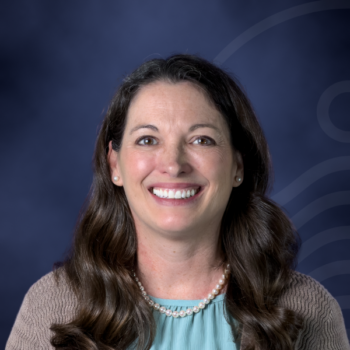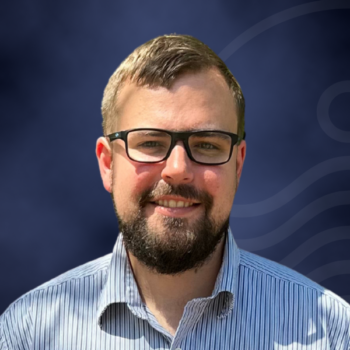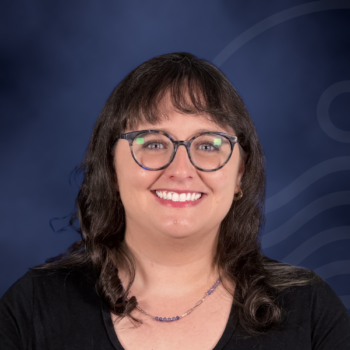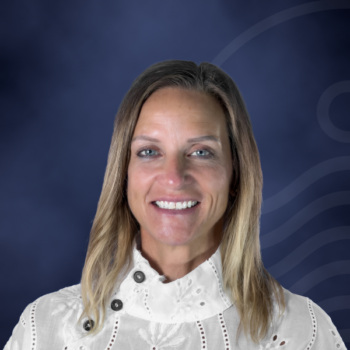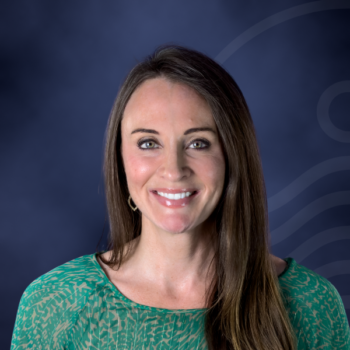
Lindsay Hildreth, PA-C, CAQ-Psychiatry
Psychiatric Physician Assistant

Accessing expert mental health care should be straightforward. Unfortunately, long wait times, cost, and scheduling challenges often make it harder than it should be to get help.
We offer care across two Raleigh locations, making it easier to access the right services based on your needs and schedule.
At AIM, we focus on making high-quality care more accessible by being in-network with most major insurance plans, offering both in-person and virtual appointments, and maintaining availability for timely scheduling.

Mental health challenges can show up in different ways, and the level of support needed can change over time.
We provide services across two Raleigh locations, each designed to meet different needs:
This allows you to access care that fits your current needs, while still having options if those needs change.

Our Raleigh locations are designed as a connected system of care, where therapy, psychiatry, medication management, and support for both mental health and substance use are available in one place.
Our North Raleigh location focuses on psychiatry and therapy, while our Northwest Raleigh location offers a broader range of services, including higher levels of care.
We’re in-network with most major insurance plans and offer both in-person and virtual appointments, making it easier to get started and stay engaged in care.

Mental health care is often split across different places. One provider handles therapy, another manages medications, and higher levels of care are usually in separate systems that don’t communicate well.
Our Raleigh locations are set up differently. Our services are connected, so your providers can work together and adjust your care as your needs change.
Below is an overview of the services available across our Raleigh offices.

Psychiatric care is often one of the first steps people take when starting treatment. Our psychiatry team provides evaluations, medication management, and ongoing support based on your needs and goals.
We bring on providers who have experience treating a wide range of conditions and who take the time to get to know you. We believe that building a strong relationship is the foundation of good care—not just prescribing medication and moving on.
Medication can be helpful for many people, but it is rarely the only part of the plan. We look at how it fits alongside therapy, daily habits, and other supports in your life. Appointments are designed to allow for real conversation and adjustments over time, so your care can change as your needs do.

Therapy gives you something that can be hard to find in daily life: consistent time set aside for focused, uninterrupted reflection.
Our therapists work with individuals across a wide range of mental health issues. We use proven approaches like Cognitive Behavioral Therapy (CBT), Acceptance and Commitment Therapy (ACT), and Dialectical Behavioral Therapy (DBT), depending on what fits your needs.
There isn’t a one-size-fits-all approach. Therapy is shaped around you—your experiences, your patterns, and what’s going on in your life—so the work stays relevant and useful over time.

There are times when weekly therapy and medication aren’t enough—especially when substance use is starting to impact daily functioning in a more consistent way. PHP is one of the highest levels of outpatient care, designed for periods when more structure and support are needed to regain stability.
Our Partial Hospitalization Program (PHP) provides a structured, full-day schedule that includes group therapy, individual sessions, and psychiatric care. It also creates an opportunity to practice what you’re learning in real-world settings, with faster feedback loops to help you adjust and build skills that carry outside of treatment.
As part of a broader system of care, PHP can transition into lower levels like IOP or outpatient treatment as your needs change—without losing momentum or starting over.

Our Intensive Outpatient Program (IOP) is built for individuals working through substance use who are trying to stay engaged in their lives—whether that’s work, school, or rebuilding some level of independence—while getting consistent support.
Treatment includes multiple sessions each week, with a mix of group therapy, individual work, and psychiatric care. The structure helps create momentum, while the focus stays on applying what you’re learning outside of sessions—navigating real situations, making adjustments, and building patterns that hold up beyond treatment.
For many people, IOP becomes a place to stabilize progress without stepping away from life entirely.

Progress in mental health and recovery rarely follows a straight path. Needs shift, setbacks happen, and what works at one stage may not work at another.
Recovery management is how we help you stay engaged through those changes. This includes coordinating between services, adjusting levels of care, and making sure your treatment evolves with you rather than forcing you to start over.
The goal is continuity—so whether you’re stepping up into more support or transitioning into less, you remain connected to a system that understands your history and can adapt with you over time.

Our Mental Health IOP is designed for individuals dealing with conditions like anxiety, depression, OCD, trauma, bipolar disorder, and other mental health issues who feel stuck in patterns that aren’t shifting with weekly therapy alone.
The program provides a more consistent rhythm of care, with multiple sessions each week that allow you to work through challenges in real time. This is especially relevant for young adults, students, and working professionals who are trying to stay functional while addressing what’s underneath.
The goal is not just symptom relief, but helping you build awareness, test changes in your daily life, and refine what works with ongoing support—so progress carries outside of treatment, not just within it.

Medication-Assisted Treatment (MAT) is designed for individuals working through substance use who may benefit from additional biological support alongside therapy.
MAT can help reduce cravings, stabilize patterns, and create enough space to start doing the deeper work. We integrate medication with therapy and behavioral support, so it’s not treated as a standalone solution.
Our approach is individualized. The goal isn’t just short-term stabilization—it’s helping you build a foundation that supports long-term change, with medication used thoughtfully as part of a broader plan.

TMS is an option for individuals dealing with depression that hasn’t improved with therapy or medication alone.
It’s a non-invasive treatment that uses targeted magnetic pulses to stimulate areas of the brain involved in mood regulation. Sessions are done in an outpatient setting and don’t require sedation, which allows you to stay engaged in your daily life throughout treatment.
For many people, TMS becomes a way to move forward when progress has stalled—often used alongside therapy and psychiatry as part of a more comprehensive approach.

The quality of care depends on the people providing it.
We build our team with providers who have experience treating many different mental health and substance use concerns, and who take the time to get to know you. Strong relationships are the foundation of good care.
Our psychiatrists, therapists, and clinical staff work together as one team, not as separate providers. This helps with clear communication, more consistent care, and a better understanding of what is and isn’t working over time.
Mental health challenges do not look the same from one person to another, so we make sure to have a team that can provide care across a wide range of needs.
We work with adults navigating concerns including:
Families are often part of the process as well. Supporting someone through mental health or substance use challenges can be difficult, and guidance can make a meaningful difference.
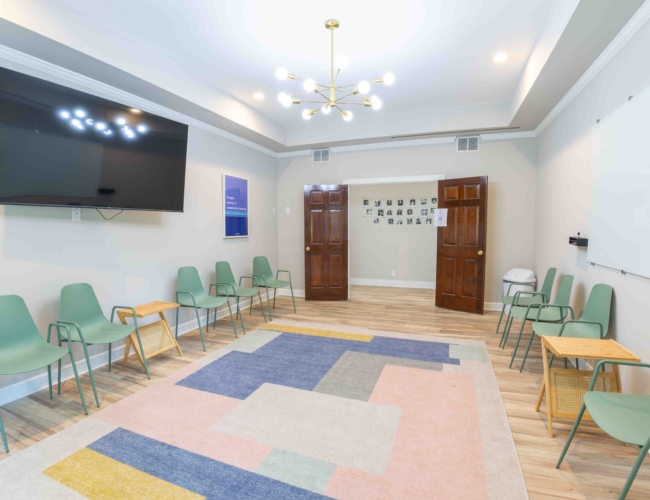
Mental health care shouldn’t feel impersonal. You should feel known by the people you’re working with—not rushed through appointments or reduced to a prescription.
We’re in-network with most major insurance plans, making high-quality care more accessible. Our team includes experienced providers who take the time to build real relationships, not just manage symptoms.
We offer therapy, psychiatry, and higher levels of care all in one place, with both in-person and virtual options—so you don’t have to piece your care together on your own.
What that looks like in practice:
We’re always refining how we do this—learning, adjusting, and working to make care feel more human and more useful over time.

In addition to our Raleigh locations, we offer services in:
Each location connects into the same broader system of care, allowing for continuity even if you move between locations or services.

Starting mental health treatment can feel like a significant step. It does not need to be complicated.
You can reach out to our team to ask questions, verify insurance, or schedule an appointment. From there, we will help you identify a path forward based on your needs and preferences.
Psychiatric Physician Assistant
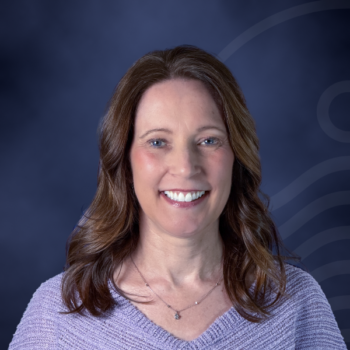
Psychiatric Physician Assistant
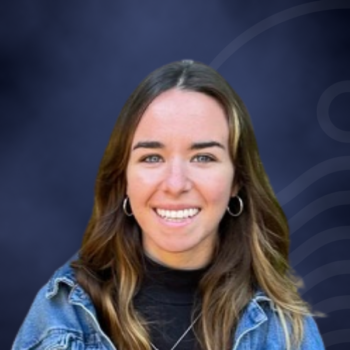
Director of Substance Use Services
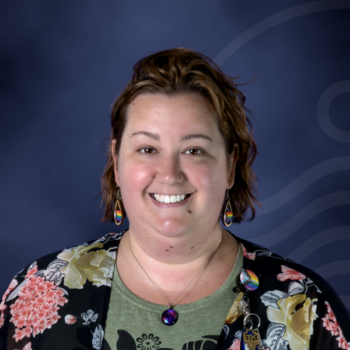
Clinical Therapist
At the core of AIM is our dedicated team, focused on fostering an environment where optimal wellbeing is achievable.
A Team Committed to Your Wellbeing
Driven by a vision of accessible, compassionate healthcare, our diverse professionals bring unique expertise and insights to enhance our mission. We believe in the power of connection and collaborative care. From clinical experts to supportive staff, every team member contributes to creating a nurturing environment that promotes growth, healing, and comprehensive wellbeing.