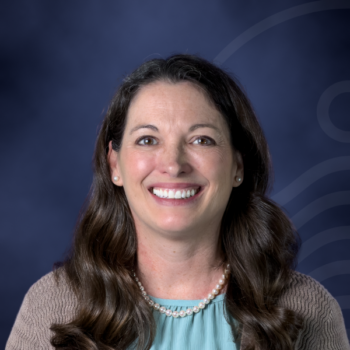
Dr. Tim O’Connor, MD
Psychiatrist
When people think about getting help for substance use or mental health struggles, they often picture leaving home to go to rehab. That’s a common idea, and it makes sense.

When people think about getting help for substance use or mental health struggles, they often picture leaving home to go to rehab. That’s a common idea, and it makes sense.
But there are options that offer a similar level of care without leaving your community.
Our Partial Hospitalization Program (PHP) in Raleigh provides a full-day treatment schedule with a team of experienced providers, without requiring an overnight stay. It’s designed for people who need consistent support while starting to apply what they’re learning in their day-to-day lives.
Learn more about our addiction treatment in North Carolina or verify your insurance now.

A Partial Hospitalization Program (PHP) is one of the highest levels of care you can receive without staying overnight.
It involves a full-day schedule during the week, including group therapy, individual sessions, and psychiatric support. At the end of the day, you return home instead of staying in a facility.
That structure creates a different kind of treatment experience. You’re not removed from your environment—you’re working within it.
You leave programming, run into real situations, and come back with something concrete to adjust. Over time, that loop helps build skills that hold up outside of treatment, not just during it.

A typical day in PHP includes a mix of group therapy, individual sessions, and psychiatric support, all within a structured schedule.
You’ll spend several hours each day in programming that’s built around a clear curriculum. The focus is on helping you reduce chaos, regain stability, and start improving how your day-to-day life functions. This includes building structure, understanding patterns, and developing skills you can use outside of treatment.
The consistency of that schedule helps create momentum, while the daily return to your normal environment gives you a chance to apply what you’re working on and come back with something concrete to adjust.

PHP runs Monday through Friday from 9:30 AM to 2:30 PM, creating a consistent daily structure.
Each day includes a mix of group sessions, individual support, and psychiatric care. Groups are focused on practical skills you can use right away.
Group topics include:
The goal is to give you a routine you can build on—one that helps you stay more stable and make better decisions outside of treatment.

The curriculum is built around helping you stabilize, get more consistent, and improve how your life actually functions day to day.
You’ll work on:
The goal is to build skills that hold up outside of treatment—at home, at work, and in the situations that tend to be the hardest.

PHP is for people who need a higher level of support without stepping fully out of their daily life.
This often includes:
PHP can be a good fit when things feel unstable, inconsistent, or harder to manage on your own, and more structure is needed to regain control and move forward.

Residential treatment provides 24-hour care and supervision, and it can be a good fit when that level of support is needed.
But not everyone needs—or can step away from life for—that level of care.
PHP serves as a step down from residential treatment, offering a high level of structure during the day while allowing you to return home at night. This creates a more gradual transition, rather than moving from full-time care back to full independence all at once.
It also works for people who need more support than outpatient care, but don’t require 24-hour supervision.
The goal is to carry forward the progress you’ve made while building the consistency and skills needed to function more independently over time.

Treatment isn’t meant to stay at one level.
A helpful way to think about it: if someone has a serious medical issue, like a heart problem, they might start in the hospital for close monitoring. As things stabilize, care steps down to the next level—less intensive, but better matched to what they’re dealing with at that point.
Mental health and substance use treatment works in a similar way.
As symptoms become more manageable, many people move from PHP into an Intensive Outpatient Program (IOP). This means fewer hours in treatment each week, with more focus on practicing the skills needed to handle that next level of independence.
Because both programs are connected, your care adjusts as you improve. You’re not starting over. You’re just building on what’s already working.

Not all programs are built the same. One of the biggest differences is what happens after you get started.
What sets our program apart:
Just as important is what happens after the program.
You can continue working with your psychiatrist and therapist as you improve, instead of losing support or having to start over somewhere new. Your care stays consistent, even as you need less of it.
The goal is simple: you can start here, and your care keeps moving with you as things get better.

PHP can be highly effective for individuals who need more structure and consistency than outpatient care provides.
At AIM, the focus is on combining daily support, skill-building, and real-world application—so progress doesn’t stay inside the program, it carries into your day-to-day life. That approach is reflected in the outcomes we see across our substance use services.
Our Outcomes:
These outcomes tend to follow when care is consistent, connected, and practiced in day-to-day life.

Most people don’t show up knowing they need PHP. They show up because something isn’t improving, or because things are starting to have more consequences.
PHP may make sense if:
Another way to think about it: if things feel like they’re slipping, becoming harder to manage, or starting to affect important parts of your life, it may be time for more consistent support.
You don’t have to figure this out on your own. Our team can help you talk through what’s going on and decide whether this level of care makes sense, or if there’s a better place to start.
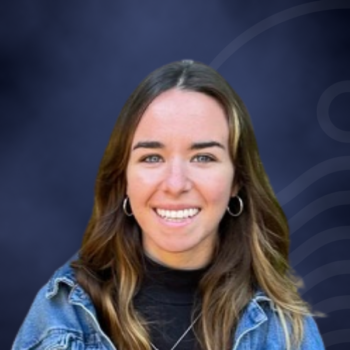
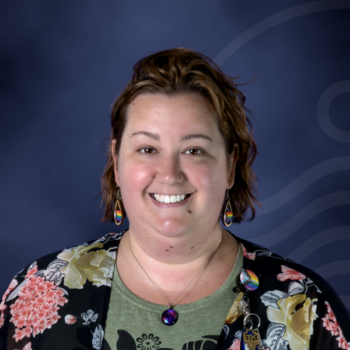
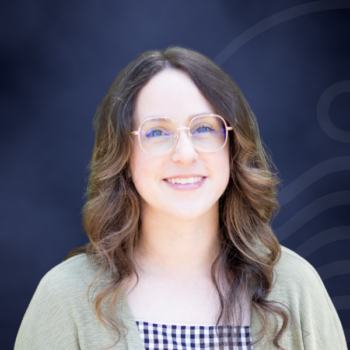
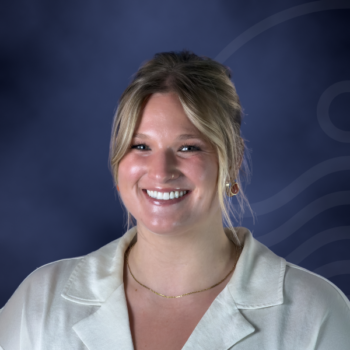
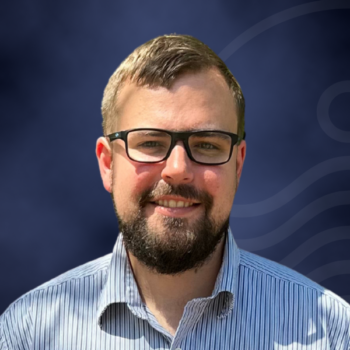
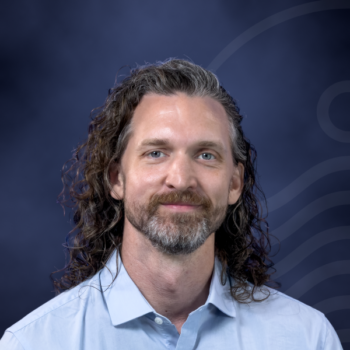
Psychiatrist
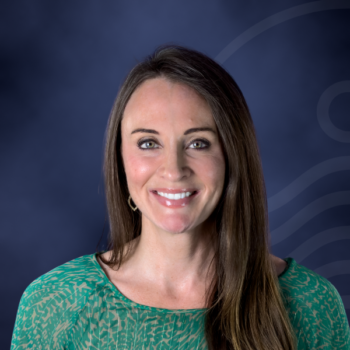
Psychiatric Physician Assistant
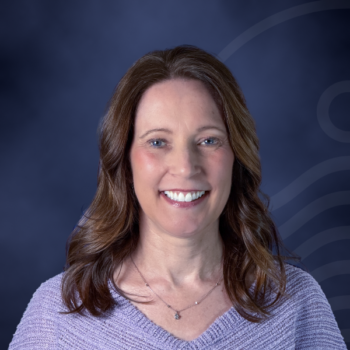
Psychiatric Physician Assistant
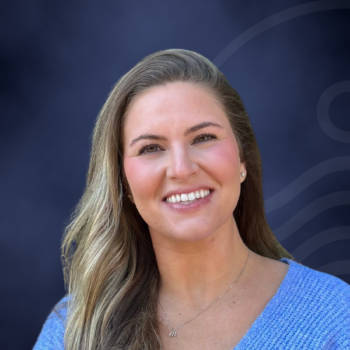
Clinical Therapist
Our PHP team includes therapists, psychiatrists, and clinical staff who work closely together throughout your time in the program.
We bring together providers with experience in substance use, anxiety disorders, mood disorders, and other mental health conditions, allowing for true dual-diagnosis care. This range of expertise helps ensure that what you’re dealing with is understood in full, not treated in pieces.
Because the team is involved throughout the program, care can adjust in real time—whether that means shifting the focus in therapy, addressing new challenges, or incorporating medication support when it’s helpful.
The goal is to have the right people involved at the right time, so care stays relevant as things change.

If you’re considering PHP, you don’t need to figure it out on your own. Reach out to our team to ask questions, verify insurance, or discuss whether this level of care makes sense for you.
We’re happy to help you sort through your options and get you started on your path to recovery.