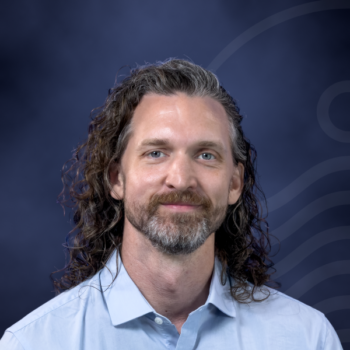
Dr. Tim O’Connor, MD
Psychiatrist
All too often, people who need help with substance use put it off. Cost, schedule, and life responsibilities can make getting support feel out of reach.

All too often, people who need help with substance use put it off. Cost, schedule, and life responsibilities can make getting support feel out of reach.
Our Intensive Outpatient Program (IOP) in Raleigh is designed to make getting help more realistic.
We’re in-network with most major insurance plans, and we offer both morning and evening options so you can get support without putting your life on hold.
Learn more about our addiction treatment in North Carolina or verify your insurance now.

An Intensive Outpatient Program (IOP) is designed for people who need more consistent support than weekly care, whether for mental health, substance use, or both.
It’s typically used when symptoms or patterns are becoming harder to manage day to day. It provides a more focused level of care, serving as an option between weekly support and full-day or inpatient programs.
In an IOP, you attend sessions multiple times per week. These sessions focus on understanding patterns, building practical skills, and working through challenges as they show up in real time.
The structure is intentional.
You’re not just addressing issues once a week. You’re working through them several times throughout the week, which makes it easier to catch patterns earlier and adjust before they escalate.
At the same time, you’re still living your life. You’re going to work, maintaining responsibilities, and applying what you’re learning in real situations as they happen.
IOP is often a good fit when:
The goal is to provide enough consistency and stability to create change, while helping you apply it in your day-to-day life.

We offer two types of Intensive Outpatient Programs depending on what you’re dealing with: one focused on mental health, and one focused on substance use.
Both provide consistent, structured support throughout the week, with therapy and psychiatry working together. The difference is in what’s being addressed and how treatment is applied.
Our Mental Health IOP runs Monday through Thursday from 4:00 PM to 6:30 PM.
It’s designed for individuals dealing with symptoms that are hard to manage day to day and are starting to impact functioning, consistency, or safety.
This program is commonly used for:
Treatment focuses on using evidence-based, proven therapies to help you understand how these patterns show up in your daily life, while building practical ways to respond to them.
Psychiatry and therapy are integrated into the program, so medication management and skill-building happen alongside each other, not in separate silos.
This level of care is often a good fit when symptoms are consistent, harder to interrupt, or not improving with less frequent support.

Our Substance Use IOP is designed for individuals working to reduce or stop alcohol or drug use, often alongside mental health symptoms that make consistency harder to maintain.
This program is commonly used when:
Treatment uses evidence-based, proven therapies to help you understand how substance use and mental health patterns interact, not just in isolation, but in your day-to-day life.
Medication, therapy, and group work are integrated so that reducing use, managing symptoms, and building structure all happen together.
The focus is on helping you build consistency in real time, especially in the situations where use would typically happen.

IOP is structured to fit into your life so you can get consistent support without stepping away from work, school, or family responsibilities.
We offer both morning and evening options depending on whether you’re engaging in treatment for substance use or mental health.
Programs run multiple days per week, with sessions lasting several hours. This provides enough consistency to create change while allowing you to stay engaged in your day-to-day life.
Individual therapy and psychiatric support are built into the program, so treatment isn’t limited to group sessions.

One of the most common reasons people delay treatment is the assumption that everything else has to stop.
IOP is designed to work around that.
Whether you’re working, in school, or managing other responsibilities, the structure allows you to get support while staying engaged in the parts of your life that matter.
The focus is on making changes in real time, not in isolation from your daily routine.
Morning IOP runs Monday, Wednesday, and Friday from 10:00 AM to 1:00 PM.
This option is often used for individuals in substance use treatment who benefit from starting their day with structure and support.
It can help stabilize patterns early in the day and reduce the likelihood of returning to use or falling into the same routines.

Evening IOP for substance use runs Monday, Wednesday, and Thursday from 5:30 PM to 8:30 PM.
This option is designed for individuals working to reduce or stop alcohol or drug use who need consistent support but cannot attend daytime programming.
It’s often a good fit when cravings, triggers, or patterns of use tend to show up later in the day or after work, and additional structure in the evenings helps interrupt those patterns.
Treatment focuses on managing urges, building routines that support consistency, and applying strategies in real-world situations where use would typically occur.

Evening IOP for mental health runs Monday through Thursday from 4:00 PM to 6:30 PM.
This program is designed for individuals dealing with anxiety, depression, OCD, bipolar disorder, eating disorders, other mental health conditions, and related concerns that are impacting wellbeing and daily functioning.
It allows you to stay engaged in work or school during the day while receiving consistent support in the evenings, with a focus on managing symptoms and improving stability in daily life.

IOP sessions include a combination of group work, individual therapy, and psychiatric support built into your weekly schedule.
Sessions use evidence-based, proven therapies to address substance use, mental health symptoms, or both, depending on your needs.
This includes:
Skills are practiced throughout the week in day-to-day situations and brought back into sessions for further work and adjustment.

Our IOP curriculum is built on evidence-based approaches like Dialectical Behavior Therapy (DBT) and Acceptance and Commitment Therapy (ACT), which are widely used for both substance use and mental health treatment.
You’ll work on:
The focus is on building skills you can use outside of sessions, especially in the situations that tend to be the most challenging.

An Intensive Outpatient Program (IOP) is designed for people whose mental health symptoms or substance use are hard to manage day to day but don’t require inpatient care. It provides structured support several times per week to help improve consistency, reduce symptoms, and stabilize daily functioning.
IOP may be a good fit if:
Another way to think about it: you’re still functioning, but not as consistently as you want to be and you need more support to change that.

IOP is often the next step after a higher level of care.
A helpful way to think about it: if you had surgery or a serious injury, you wouldn’t go straight from the hospital back to full activity. You’d step down to physical therapy—still getting support, but now focusing on rebuilding strength and functioning day to day. As you improved, you’d gradually reduce how much therapy you needed.
Mental health and substance use treatment works the same way.
IOP allows you to keep structure and support in place while gradually taking on more independence. Instead of going from full-day care back to weekly therapy all at once, it creates a transition that better matches where you are.
The focus is on maintaining progress while building confidence in your ability to manage daily life.

Sometimes IOP isn’t enough in a moment, especially if symptoms become harder to manage or stability starts to decline.
Progress is rarely straightforward. Many people have periods where things improve, followed by times where they need more support again.
When that happens, you can step into a higher level of care, like our Partial Hospitalization Program (PHP), which offers a full-day schedule with more structure and support until things stabilize.
Treatment is designed to adjust based on what you need. Some people move into IOP after more intensive care. Others start in IOP and step up for a period of time before returning. The goal is to make sure you’re getting the right level of support for what you’re dealing with right now.

AIM’s IOP is built as part of a continuous system of care, not a standalone program. This allows you to stay with the same team for therapy and psychiatry as your needs change, rather than starting over after completing treatment.
Progress in mental health and substance use is not always linear. There are periods where things improve, followed by times where more support is needed again. Treatment is designed to expand or contract around that, so you’re not left without support when things shift.
Key differences include:
The focus is on maintaining progress over time, not just completing a program.

That approach—staying with the same team, adjusting care as needed, and applying skills in real life—shows up in the outcomes we see across both substance use and mental health treatment.
Our Substance Use Outcomes:
For mental health:
These outcomes tend to follow when psychiatry, therapy, and structured support are working together as part of one plan, rather than separate pieces.

We work with individuals dealing with both substance use and mental health concerns, including:
Many people are dealing with more than one of these at the same time.
Treatment is built around understanding how these patterns interact, not treating them as separate issues. For example, substance use may be tied to anxiety or mood shifts, or mental health symptoms may make it harder to stay consistent with change.
Our team includes therapists and psychiatrists with different areas of focus who work together to address both at once. This allows treatment to adjust based on what’s actually happening in your day-to-day life, rather than following a fixed approach.
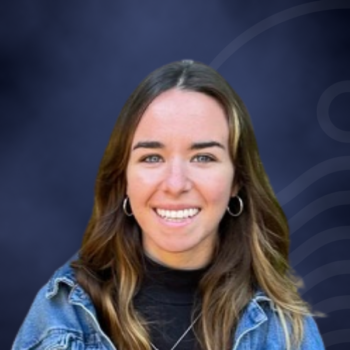
Psychiatrist
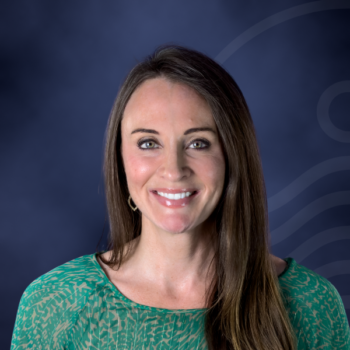
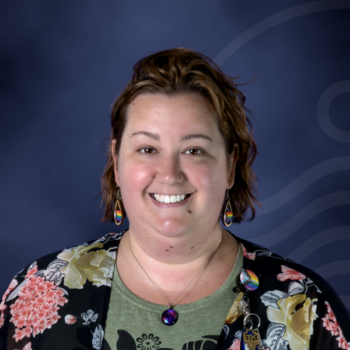
Psychiatric Physician Assistant
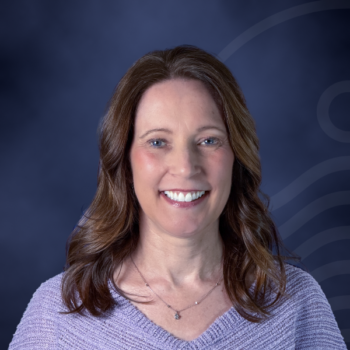
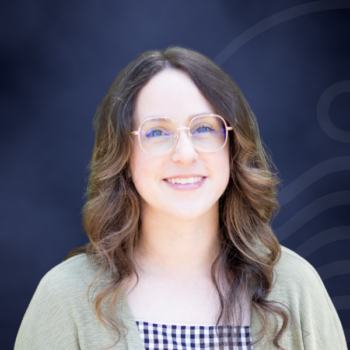
Psychiatric Physician Assistant
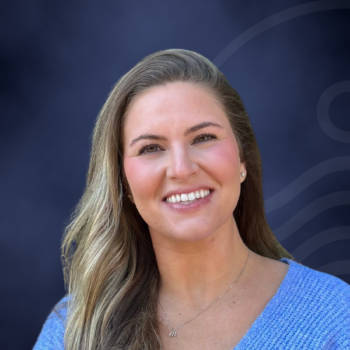
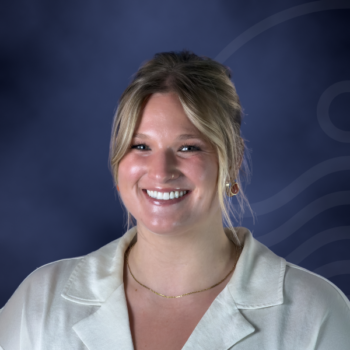
Clinical Therapist
Our IOP programs are supported by specialized teams for both mental health and substance use treatment.
Each program includes therapists, psychiatrists, and clinical staff with experience specific to what you’re dealing with, whether that’s anxiety, depression, bipolar disorder, or patterns of substance use and relapse.
At the same time, these teams work within a shared system of care. Mental health and substance use are often connected, so treatment is coordinated when both are part of the picture.
Therapy, medication management, and program structure are not split across disconnected providers. They are aligned so adjustments can be made in real time based on what you’re experiencing.

We are in-network with most major insurance plans, including Blue Cross Blue Shield, Aetna, Cigna, TRICARE, Medcost, and United Healthcare.
Our team can help verify your benefits and explain what to expect before you begin.

If you’re considering getting help for mental health, substance use, or both, you don’t need to have everything figured out before reaching out.
Some people come in with a clear diagnosis. Others just know something isn’t working the way it should. Both are a starting point.
We offer separate tracks for mental health and substance use, with teams specialized in each. Our team will help you understand which program fits what you’re dealing with, and how to get started.
That process includes reviewing what’s been going on, verifying your insurance, and determining whether IOP makes sense—or if a different level of care would be more appropriate.
From there, we’ll help you take the next step in a way that fits your needs and your schedule.