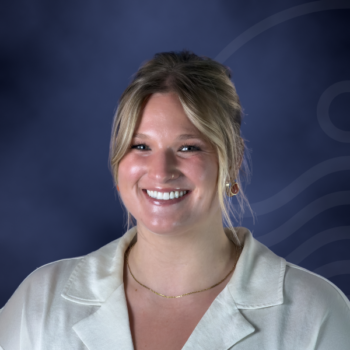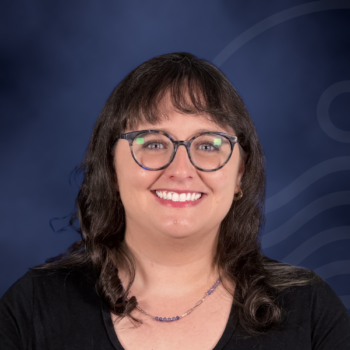
Lindsay Hildreth, PA-C, CAQ-Psychiatry
Psychiatric Physician Assistant
Longer Appointments. Better Care.
Expert Care for OCD
In-Network with Insurance.
Immediate Appointments.
Schedule Appointment

At AIM, OCD treatment in Raleigh is built around evidence-based care, including Exposure and Response Prevention (ERP), along with psychiatry and additional therapies when needed. The goal is not just to manage symptoms, but to help you regain time, flexibility, and control in your day-to-day life.
Learn more about our mental health treatment or schedule an appointment now.

OCD involves two main parts: obsessions and compulsions.
Obsessions are intrusive, unwanted thoughts, images, or urges that create anxiety or distress. Compulsions are the behaviors or mental rituals used to try to reduce that anxiety.
The relief from those behaviors is usually short-lived.
Over time, it reinforces the cycle—making the thoughts feel more important, increasing the urge to respond, and leading to more repetition. That pattern can take up more time, create more disruption, and ultimately increase distress rather than reduce it.
OCD is not:
It’s a pattern that tends to require specific, targeted treatment.

OCD often shows up as a pattern of intrusive thoughts and repetitive behaviors like:
Over time, this can narrow your life—pulling attention away from work, relationships, and everyday moments.

OCD doesn’t look the same for everyone—it can center around different themes, even though the underlying pattern is similar.
OCD can show up in different ways, including:
Each of these types of OCD have their own symptoms and nuances. Many people experience a mix of these patterns over time, which makes it important to work with a team that understands the range and complexity of OCD.

OCD treatment at AIM is structured around approaches that have been shown to be effective, with care tailored to how symptoms show up for you.
Exposure and Response Prevention (ERP) is the most effective treatment for OCD.
ERP involves gradually facing the thoughts, situations, or triggers that create anxiety—without performing the usual compulsions. Over time, this helps reduce the intensity of the anxiety and breaks the cycle that keeps OCD going.
This is not about forcing you into overwhelming situations. It’s done in a structured, collaborative way that builds tolerance and confidence step by step.

While ERP is central to OCD treatment, other approaches can help strengthen the work depending on your needs.
This may include:
These approaches support ERP by making it easier to stay engaged in the process and build changes that hold up over time.
Medication can be an important part of OCD treatment for some individuals.
Our psychiatry team works alongside your therapist to determine if medication may help reduce symptom intensity and make therapy more effective. This often includes SSRIs or other medications used specifically for OCD.
Medication is not treated as a standalone solution, but as part of a broader treatment plan.

For some individuals, OCD symptoms are more persistent or time-consuming and need more support than weekly therapy or medications can provide.
Our Mental Health Intensive Outpatient Program (IOP) offers multiple sessions per week, creating more structure and repetition around ERP and related skills. This allows you to work through exposures more consistently, build momentum, and address patterns that are harder to shift with less frequent care.
IOP is designed to fit into your daily life, with evening options available, so you can get more support without stepping away from work, school, or other responsibilities.

The right level of care depends on how much OCD is impacting your daily life.
If you’re not sure where to start, our team can help assess your situation and guide you to the right level of support.

We offer OCD treatment across multiple locations in the Triangle, making it easier to access care close to home.
Our Locations:
Both in-person and virtual appointments are available, giving you flexibility to get started without long travel times or limited scheduling options.
At each location we are able to offer both psychiatry and medication management for OCD in addition to talk therapy for OCD.

Our team includes therapists and psychiatrists with experience treating OCD and related conditions.
We build our team with providers who understand how OCD works and are trained in evidence-based approaches like ERP.
Because OCD often overlaps with other mental health concerns, our team also brings experience in anxiety disorders, mood disorders, and related conditions.
This allows for more thoughtful and individualized care.
Psychiatric Physician Assistant
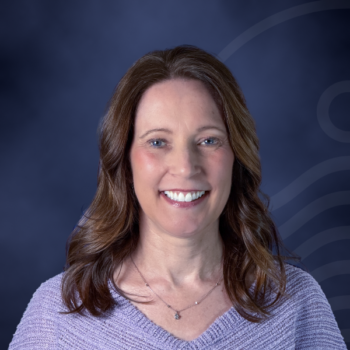
Psychiatric Physician Assistant

Director of Substance Use Services
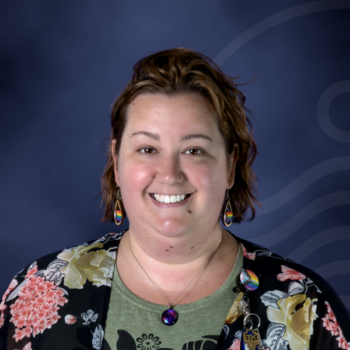
Clinical Therapist
At AIM, our team is built around one goal — helping you get better.
A Team Committed to Your Wellbeing
We believe good care starts with good people. Our clinicians, prescribers, and support staff work together so that every part of your treatment is connected. You won’t have to repeat your story to providers who don’t talk to each other. Everyone on your team knows who you are and what you’re working toward.

If you’re spending a lot of time managing intrusive thoughts, repeating behaviors, or trying to get relief that doesn’t last, it may be time to get support.
OCD can make it hard to focus, stay present, or move through your day without interruption. It doesn’t have to stay that way.
Our team can help you understand what’s happening, walk through treatment options like ERP, and get started with a plan that helps you regain time, flexibility, and control.
You can complete a form or give us a call to explore your options and take the next step.