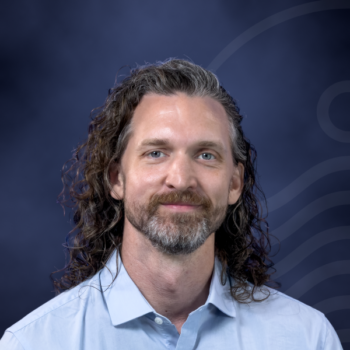
Dr. Tim O’Connor, MD
Psychiatrist
Longer Appointments. Better Care.
Expert Depression Care.
In-Network with Insurance.
Immediate Appointments.
Schedule Appointment

Depression doesn’t always look the way people expect it to.
It’s not just feeling sad. For some, it’s low energy that doesn’t go away. For others, it’s losing interest in things that used to matter, difficulty concentrating, or feeling stuck in patterns tied to stress, anxiety, or changes in life circumstances.
Over time, these patterns can start to affect work, relationships, sleep, and daily functioning.
Our depression treatment is built around understanding how it shows up in your life and creating a plan that is practical, integrated, and sustainable.

Depression can take many forms, and it doesn’t always match the way it’s commonly described.
Some people experience persistent low mood. Others feel numb or disconnected. For some, the main issue is fatigue, lack of motivation, or difficulty keeping up with daily responsibilities.
You might notice:
For some individuals, depression becomes more severe over time, especially when it begins to interfere with basic routines, relationships, or work.
This is where a more structured and integrated approach to treatment can make a difference.

Depression exists on a spectrum.
For some, symptoms are present but manageable. You may still be able to keep up with work, relationships, and daily responsibilities, even if it takes more effort.
Severe depression tends to look different.
Symptoms become more persistent and start to interfere with basic functioning. Getting out of bed, maintaining routines, going to work, or staying connected to people can feel significantly harder.
You may notice:
This is often the point where weekly therapy alone may not be enough.
A more structured level of care, such as psychiatry, TMS for depression, IOP, or other supports, can help stabilize symptoms and create a clearer path forward.

Depression treatment is not one-size-fits-all.
Our care is built around a combination of therapy, psychiatry, transcranial magnetic stimulation (TMS) and structured programs like PHP and IOP when needed.
The focus is on understanding what’s contributing to your symptoms and creating a plan that is both practical and adaptable over time.
Treatment starts with getting a clear understanding of what’s going on.
Depression can look similar to other conditions, including anxiety, bipolar disorder, trauma-related symptoms, or burnout.
Our team takes a careful approach to evaluation, looking at patterns over time, changes in sleep, energy, mood, and functioning. This helps ensure that treatment is based on the full picture, not just a single moment.

For some individuals, medication can play an important role in depression treatment.
Our psychiatry team focuses on thoughtful medication management, including selecting the right medication, monitoring how you respond, and making adjustments over time.
Medication can help improve mood, energy, sleep, and concentration, making it easier to engage in therapy and daily activities.
Care is coordinated with therapy so that treatment stays aligned and consistent.

When depression becomes more persistent or begins to interfere with daily functioning, a more structured and targeted approach may be needed.
Our severe depression treatment program includes options that go beyond traditional therapy and medication alone.
These approaches are designed to provide more support, improve stability, and create momentum when depression has progressed to a severe level.

TMS is often considered when depression hasn’t improved with standard approaches like therapy and medication.
In many cases, the issue isn’t just chemical. It’s that certain parts of the brain involved in mood and motivation are underactive.
TMS works by directly stimulating those areas over a series of sessions. The goal is to help improve energy, focus, and mood in a way that medications haven’t.
It’s done in-office, does not require sedation, and patients are able to return to their normal routine after each session.
For individuals who feel like they’ve tried multiple options without much progress, TMS can offer a different path forward.

When depression starts to affect your ability to follow through on basic routines, think clearly, or stay engaged in daily life, once-a-week therapy and medications can feel like too little.
An Intensive Outpatient Program (IOP) adds consistency.
Instead of waiting between appointments for things to shift, you’re working on them multiple times throughout the week, with support that connects therapy, medication management, and real-life application.
Our IOP is built to help you get unstuck. You’re not just talking about what’s going on. You’re practicing how to respond to it, adjusting in real time, and building structure around sleep, energy, and daily decision-making.
Psychiatry, therapy, and group work are all connected, so changes in one area don’t happen in isolation.
The focus is on helping you regain traction and build something steady enough to carry outside of treatment.

The right level of care depends on how depression is affecting your day-to-day life.
Some people benefit from weekly therapy or psychiatry. Others need more structure and support, or a different approach altogether when progress has stalled.
A few things we look at when making that decision:
These factors help guide what level of care will be most useful.
For some, outpatient therapy and psychiatry are enough. For others, a higher level of care like IOP provides the structure needed to create momentum. In cases where multiple medication trials haven’t led to improvement, treatments like TMS may also be considered.

We offer depression therapy in Raleigh, Cary, and Chapel Hill, along with virtual care available throughout North Carolina.
Our Raleigh location also offers more structured programs, including Intensive Outpatient (IOP), for individuals who need additional support.
Locations include:
For those outside the Triangle, virtual psychiatry and therapy services are available across the state.

Our team includes psychiatrists, therapists, and TMS providers with a wide range of experience treating depression across different levels of severity.
That range matters.
Depression doesn’t show up the same way for everyone, and not every approach works for every person. We focus on matching you with a provider who has experience with your specific symptoms, history, and level of care.
This is especially important when treatment hasn’t worked in the past.
For individuals considering TMS, our team takes a structured approach to determining whether it’s a good fit. That includes reviewing prior medication trials, understanding how symptoms have progressed over time, and coordinating care alongside therapy and psychiatry.
Care is not delivered in silos. Therapy, medication management, TMS, and structured programs are all connected, so treatment decisions are aligned and consistent.

If depression is affecting your day-to-day life, getting the right level of support matters.
Our team can help you understand what’s going on, walk through your options, and determine the level of care that makes the most sense.
Call us or complete a form to get started.
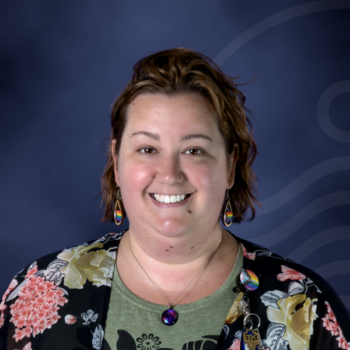
Psychiatrist
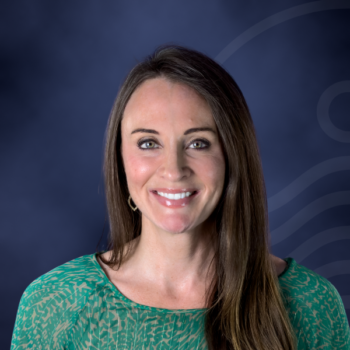
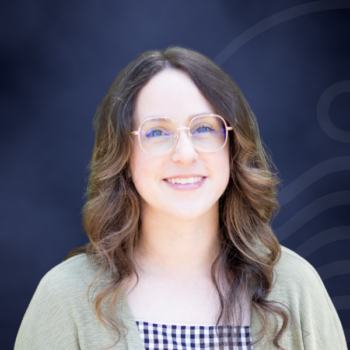
Psychiatric Physician Assistant
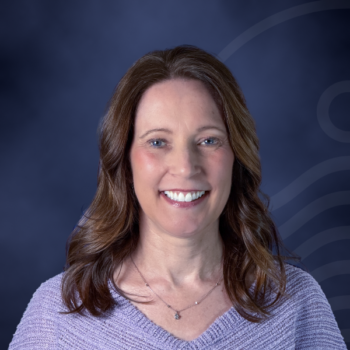
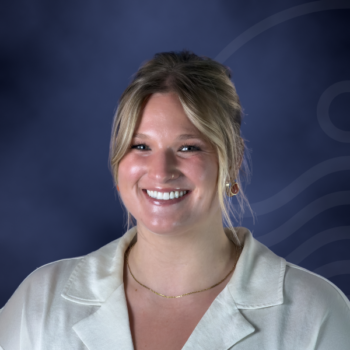
Psychiatric Physician Assistant
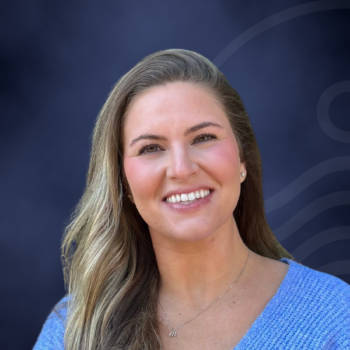
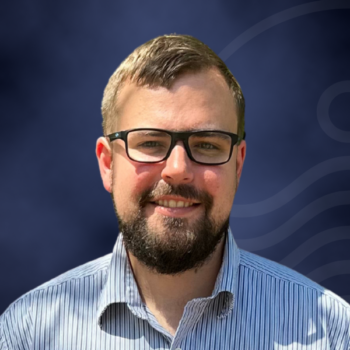
Clinical Therapist
At AIM, our team is built around one goal — helping you get better.
A Team Committed to Your Wellbeing
We believe good care starts with good people. Our clinicians, prescribers, and support staff work together so that every part of your treatment is connected. You won’t have to repeat your story to providers who don’t talk to each other. Everyone on your team knows who you are and what you’re working toward.