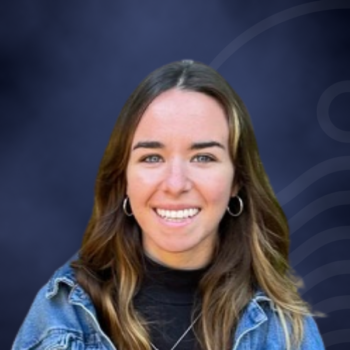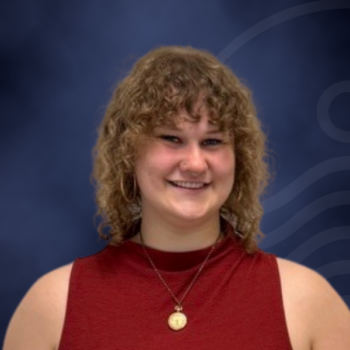
Madi Reynik, LCSWA
Clinical Therapist
Longer Appointments. Better Care.
In-Network with Insurance.
Immediate Appointments.
Schedule Appointment

It can show up as anxiety, poor sleep, feeling on edge, or reacting more intensely than you want to. For some, it looks like shutting down or feeling disconnected.
These are often how the mind and body adapt to overwhelming or prolonged stress.
Over time, those patterns can start to interfere with daily life.
At AIM, PTSD treatment is built around helping you understand these responses and learn how to work with them in a more steady, practical way.

Trauma affects more than just thoughts or memories.
It can change how the nervous system responds to stress, how the body holds tension, and how quickly someone moves into a state of fight, flight, or shutdown.
This is why trauma often shows up physically as well as emotionally.
You might notice:
These responses are not a sign that something is “wrong” with you. They are learned patterns that were once adaptive, but may no longer be helpful.
Trauma treatment focuses on helping you recognize these patterns, decreasing the intensity of the experiences, and building new ways of responding over time.

Trauma treatment is not one-size-fits-all.
Different approaches work better for different people, depending on how trauma shows up and what feels manageable.
We build treatment around a combination of evidence-based therapies and, when appropriate, psychiatry and medications.
The focus is on helping you process what’s happened while also building skills that make day-to-day life more stable.
Eye Movement Desensitization and Reprocessing (EMDR) is a structured therapy designed to help process traumatic memories.
It works by helping the brain reprocess experiences that feel “stuck,” so they become less intense and less disruptive over time.
EMDR can be particularly helpful for individuals who feel like they understand what happened but still react as if it’s happening in the present.

Trauma-Focused Cognitive Behavioral Therapy (TF-CBT) helps identify how thoughts, emotions, and behaviors are connected.
It focuses on gradually working through traumatic experiences while building tools to manage distress, challenge unhelpful thought patterns, and reduce avoidance.
This approach is structured and practical, making it easier to apply outside of sessions.
Trauma doesn’t just affect your thoughts. It often shows up in your body.
You might notice tension, restlessness, or feeling stuck in a constant state of stress or shutdown.
Somatic approaches focus on helping you understand these physical responses and learn how to manage them.
This can include building awareness of what your body is doing and learning ways to calm your system and feel more steady over time.

Dialectical Behavior Therapy (DBT) and Acceptance and Commitment Therapy (ACT) are often used to support trauma treatment.
These approaches focus on building skills like emotional regulation, distress tolerance, and the ability to stay grounded instead of getting overwhelmed during difficult moments.
They are especially helpful when trauma is combined with intense emotional reactions or patterns that feel hard to control.
For some individuals, medication can play a helpful role in trauma treatment.
Psychiatry can support sleep, reduce anxiety, and help stabilize mood so that therapy is easier to engage in.
Medication is not the only solution, but in some cases it can create enough stability for other parts of treatment to be more effective.
Care is tailored to your symptoms and adjusted over time as things change.

For some individuals, weekly therapy may not provide enough structure, especially when symptoms are more persistent or disruptive.
A Mental Health Intensive Outpatient Program (IOP) offers a higher level of support without requiring full-time treatment.
Our IOP combines evidenced-based group therapy, individual support, and psychiatry in a more structured setting.
This allows for consistent practice of skills, more support between sessions, and the ability to apply strategies in real time.
The focus is on helping you build stability and develop ways to respond to trauma-related symptoms more effectively in your day-to-day life.

The right level of care depends on how much trauma symptoms are affecting your day-to-day life.
Some people benefit from weekly therapy. Others may need more structure and support, especially if symptoms are interfering with work, relationships, or basic routines.
A few things we look at when making that decision:
These factors help determine whether outpatient therapy is enough or if a higher level of care, like IOP or PHP, would be more helpful.

We offer PTSD and trauma therapy and psychiatry across multiple locations in the Triangle, along with virtual care available throughout North Carolina.
Our Raleigh location also offers more structured programs, including Intensive Outpatient (IOP) and Partial Hospitalization (PHP) for individuals who need additional support.
Our locations include:
For those outside the Triangle, virtual therapy and psychiatry are available across the state.

Our team includes therapists and psychiatrists with experience treating trauma and PTSD using a range of evidence-based approaches.
We focus on matching each individual with a provider who has specific experience in the type of symptoms they are dealing with.
Care is coordinated when multiple services are involved, so treatment stays consistent and aligned over time.

If trauma is affecting your day-to-day life, getting the right support can make things more manageable.
Our team can help you understand what’s going on and determine what kind of treatment would be most useful.
Call us or complete a form to get started.
Clinical Therapist
Clinical Therapist
Clinical Therapist
Clinical Therapist
At the core of AIM is our dedicated team, focused on fostering an environment where optimal wellbeing is achievable.
Driven by a vision of accessible, compassionate healthcare, our diverse professionals bring unique expertise and insights to enhance our mission. We believe in the power of connection and collaborative care. From clinical experts to supportive staff, every team member contributes to creating a supportive environment that promotes growth, healing, and comprehensive wellbeing.