Dr. Tim O’Connor, MD
Psychiatrist
Medications improve the lives of millions of people every year. They help manage pain after surgery, reduce anxiety, improve focus, control seizures, and treat many other medical conditions.


Medications improve the lives of millions of people every year. They help manage pain after surgery, reduce anxiety, improve focus, control seizures, and treat many other medical conditions.
For some individuals, however, the same medications that improve quality of life can gradually become difficult to stop.
Many people begin exactly where their healthcare provider intended—with a legitimate prescription and a legitimate medical concern.
Over time, tolerance may develop, higher doses may seem necessary, or the medication may become something a person feels they need simply to get through the day.
Because prescription medications come from a pharmacy and are prescribed by a healthcare professional, many people struggle to recognize when dependence has become something more.
Recovery is possible.
Whether you are concerned about prescription pain medications, anxiety medications, stimulants, sleep medications, or another prescription drug,
We provide evidence-based treatment for addiction and mental health throughout North Carolina with multiple levels of care designed to support long-term recovery.
Learn more about our addiction treatment in North Carolina or schedule an appointment now.

Prescription drug addiction occurs when the use of a prescribed medication begins causing problems in a person’s health, relationships, work, or daily life, yet they find it difficult to stop despite those consequences.
While many prescription medications can be used safely, some have a greater potential to cause physical dependence, misuse, or addiction.
Not everyone who develops physical dependence has an addiction.
Some medications naturally cause the body to adapt over time. This is why certain medications should never be stopped suddenly without guidance from a healthcare provider.
Addiction involves more than physical dependence.
It often includes:
Recognizing this distinction helps people seek treatment earlier without assuming they must reach a crisis point before asking for help.

Certain prescription medications have a higher potential for misuse because they affect the brain’s reward system or can produce physical dependence.
While these medications are appropriate for many people when used as directed, they should always be taken exactly as prescribed and monitored by a qualified healthcare provider.
Prescription opioids are commonly used to treat moderate to severe pain following surgery, injury, or certain medical conditions.
Examples include:
Some individuals develop dependence after taking these medications exactly as prescribed, while others begin misusing them by increasing the dose or taking them for longer than intended.
Learn more about our Opioid Addiction Treatment program.

Prescription Anxiety Medications
Benzodiazepines are frequently prescribed to treat anxiety disorders, panic attacks, and insomnia. While they can provide effective short-term symptom relief, prolonged use may lead to tolerance and physical dependence.
Common examples include:
Learn more about Benzodiazepine Addiction Treatment and alternatives for managing anxiety.
Stimulant medications prescribed for ADHD help many people improve attention and executive functioning. These medications may also be misused by individuals attempting to stay awake, increase productivity, or enhance academic or athletic performance.
Examples include:
Misusing stimulant medications can increase the risk of cardiovascular complications, anxiety, and substance use disorders.
Fortunately, there are alternatives to things like Adderall.
Sleep medications may help individuals experiencing short-term insomnia, but prolonged use or misuse can increase the risk of dependence.
Examples include:
For many individuals, treatment eventually involves addressing the underlying cause of insomnia rather than relying solely on medication.

Prescription drug addiction often develops gradually, making it easy to overlook in its early stages. Unlike many illicit substances, prescription medications are frequently associated with legitimate medical treatment, which can make it harder to recognize when dependence has progressed into addiction.
Over time, changes in how a medication is used—or why it is being used—can begin affecting nearly every aspect of a person’s life.

A diagnosis is based on patterns that develop over time rather than any single symptom.

Prescription drug addiction often looks different from addiction involving illicit substances.
Many individuals continue working, raising families, and meeting daily responsibilities while quietly wondering whether their medication use has changed.
Several factors can make prescription drug addiction more difficult to recognize:
Because the progression is often gradual, many people delay seeking treatment until dependence has become significantly more difficult to manage.
Recovery does not require waiting until life falls apart.
The earlier someone receives an assessment, the more treatment options are typically available.

Physical dependence and addiction are related, but they are not the same thing.
Physical dependence occurs when the body adapts to a medication after repeated use. If the medication is stopped suddenly, withdrawal symptoms may occur because the body has become accustomed to its presence.
Addiction involves changes in behavior as well as physical dependence. A person may continue using medication despite harmful consequences, experience intense cravings, or find themselves unable to reduce or stop use even when they want to.
Understanding this difference is important because many people become physically dependent on medications without misusing them.
Likewise, someone struggling with addiction deserves treatment rather than judgment.

Mixing prescription medications with alcohol or other drugs significantly increases the risk of overdose and other serious medical complications.
Some combinations are particularly dangerous because they suppress breathing, impair judgment, or place excessive strain on the heart and nervous system.
Both opioids and alcohol slow activity within the central nervous system. When taken together, they can increase the risk of slowed breathing, unconsciousness, overdose, and death.
Combining medications such as Xanax®, Ativan®, Klonopin®, or Valium® with alcohol can significantly increase sedation, impair coordination, and reduce a person’s ability to respond appropriately in dangerous situations.

Using opioids and benzodiazepines together carries a particularly high risk of overdose because both medications suppress breathing. The U.S. Food and Drug Administration has issued boxed warnings about this combination due to its potential to cause life-threatening respiratory depression.
Some individuals combine stimulant medications with alcohol or other drugs in an attempt to counteract their effects. These combinations can increase cardiovascular stress, impair judgment, and create additional health risks.
Always talk with your prescribing provider before combining prescription medications with alcohol, supplements, or other substances. Even medications taken exactly as prescribed can become dangerous when mixed with other drugs.

Withdrawal looks different depending on the medication involved. Some prescription drugs cause uncomfortable symptoms when stopped suddenly, while others can lead to serious or even life-threatening complications without medical supervision.
Because of these differences, the safest approach depends on the specific medication, how long it has been used, the dosage, and a person’s overall health.
A professional assessment can help determine the most appropriate next step.
Prescription opioids such as oxycodone, hydrocodone, morphine, and codeine can cause significant withdrawal symptoms when use is reduced or stopped.
Common symptoms include:
Although opioid withdrawal is generally not life-threatening in otherwise healthy adults, the symptoms can be extremely uncomfortable and often increase the risk of returning to use.
Learn more about Opioid Addiction Treatment.

Withdrawal from benzodiazepines such as Xanax®, Ativan®, Klonopin®, and Valium® requires special attention.
Unlike many other prescription medications, suddenly stopping benzodiazepines can increase the risk of seizures and other serious medical complications. Anyone considering reducing or stopping these medications should first speak with a qualified healthcare professional.
Learn more about Benzodiazepine Addiction Treatment.
People stopping stimulant medications such as Adderall® or Vyvanse® may experience fatigue, increased sleep, depression, difficulty concentrating, and changes in appetite.
While stimulant withdrawal is not typically medically dangerous, the emotional symptoms can make recovery challenging and may increase the risk of returning to use.
Some prescription sleep medications can also produce withdrawal symptoms, particularly after prolonged use.
Depending on the medication, individuals may experience rebound insomnia, anxiety, irritability, or sleep disruption when stopping treatment.

Prescription drug addiction often begins with an underlying medical condition. Recovery should address both the addiction and the reason the medication was prescribed in the first place.
Whether someone is living with chronic pain, anxiety, panic attacks, ADHD, or insomnia, treatment should focus on helping them manage those challenges while reducing dependence on medications that may no longer be serving them.
The first step is understanding how the medication is affecting a person’s health and determining the safest path forward. Depending on the medication involved, treatment may include medical supervision, a gradual taper, or referral to a higher level of care when appropriate.
Learn more about our approach to Addiction Medicine.
Many people worry that recovery means living with untreated pain. Pain management often involves multiple approaches working together.
Depending on the individual’s needs, treatment may include behavioral therapies, psychiatric care, medication adjustments, and coordination with other healthcare providers.

For individuals who began taking medications such as Xanax®, Ativan®, or Klonopin® for anxiety, recovery often includes learning additional ways to manage anxiety symptoms. Therapy, psychiatric care, and medications with a lower risk of dependence may all be appropriate depending on the person’s needs.
Depression, anxiety disorders, PTSD, ADHD, and other mental health conditions frequently occur alongside prescription drug addiction. Addressing both conditions as part of a coordinated treatment plan can remove barriers that make long-term recovery more difficult.
Learn more about our Dual Diagnosis Treatment program.

There is no single treatment program that works for everyone.
The most appropriate level of care depends on several factors, including the medication involved, withdrawal risk, co-occurring mental health conditions, previous treatment history, recovery environment, and the amount of support available.
Many individuals benefit from outpatient therapy and psychiatry while continuing to work, attend school, or care for their families.
When weekly outpatient appointments are not providing enough support, an Intensive Outpatient Program offers several hours of structured treatment each week while allowing individuals to continue living at home.
A Partial Hospitalization Program provides a higher level of structure through comprehensive treatment several days each week while allowing participants to return home in the evenings.

Prescription drug addiction frequently occurs alongside mental health conditions such as anxiety disorders, depression, PTSD, ADHD, panic disorder, and insomnia.
Sometimes medications were originally prescribed to treat these conditions. In other cases, prolonged prescription drug misuse contributes to worsening mental health symptoms.
Treating both conditions together provides a more complete approach to recovery.
We combine psychiatry, therapy, and substance use treatment together to develop coordinated treatment plans that address the whole person.
Learn more about our Dual Diagnosis Treatment program.

If you or someone you know is experiencing a medical emergency or a suspected overdose, call 911 immediately.
If you are experiencing thoughts of suicide or emotional distress, call or text 988 to reach the Suicide & Crisis Lifeline.
If you need help finding treatment for a substance use disorder, contact the SAMHSA National Helpline at 1-800-662-HELP (4357). The helpline is available 24 hours a day, seven days a week, and provides confidential treatment information and referrals.

Prescription drug addiction can happen gradually, and many people struggle to recognize when their relationship with a medication has changed.
Whether you are concerned about prescription pain medications, anxiety medications, stimulants, sleep medications, or another prescription drug, help is available.
Our team at Advaita Integrated Medicine can help you understand your treatment options, determine the most appropriate level of care, and develop a plan that supports long-term recovery.
Contact us today to learn more about prescription drug addiction treatment in North Carolina.
Primary sources:
Psychiatrist
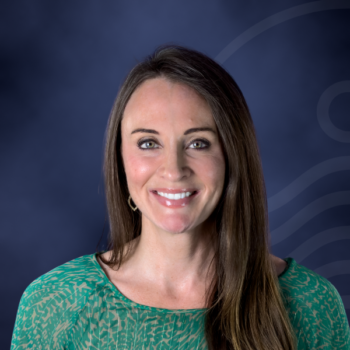
Psychiatric Physician Assistant
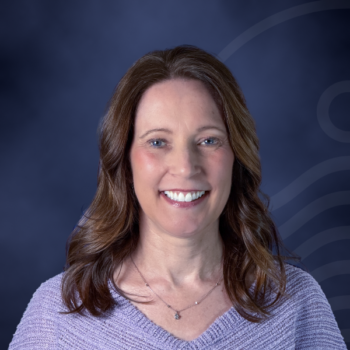
Psychiatric Physician Assistant

Clinical Therapist
At the core of AIM is our dedicated team, focused on fostering an environment where optimal wellbeing is achievable.
Driven by a vision of accessible, compassionate healthcare, our diverse professionals bring unique expertise and insights to enhance our mission. We believe in the power of connection and collaborative care. From clinical experts to supportive staff, every team member contributes to creating a nurturing environment that promotes growth, healing, and comprehensive wellbeing.